
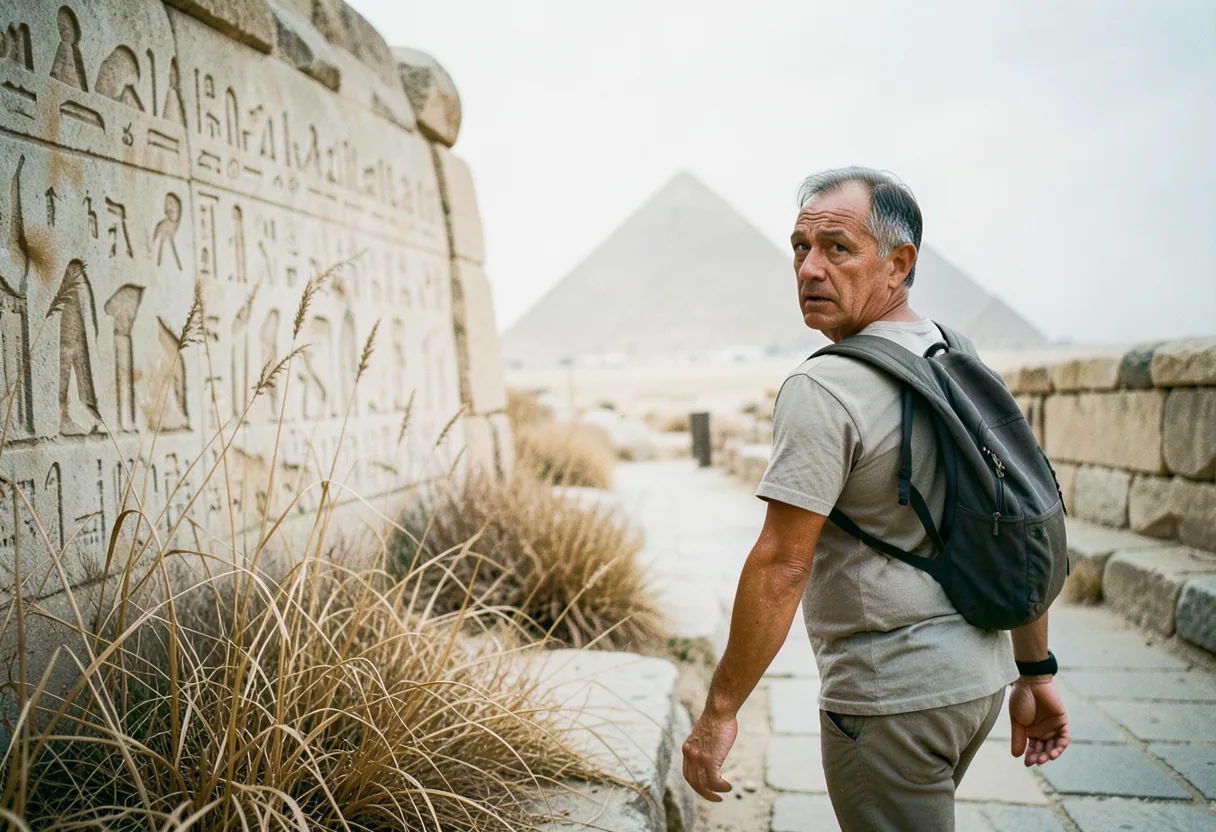
Avoid non-tourist areas and unmarked taxis in Egypt; political protests can occur with little warning. The U.S. State Department advises reconsidering travel to the Sinai Peninsula due to terrorism risks. Stick to well-known tourist spots like the Pyramids of Giza and Luxor, where security is higher.
Travel Egypt warnings are official advisories issued to highlight potential risks and safety concerns for visitors to Egypt.
Think of these warnings as a weather forecast for your trip. Just as you’d check for rain or storms before heading out, travel warnings help you prepare for political unrest, health risks, or areas to avoid.
Key facts
- Egypt is generally safe for tourists, but certain areas have higher risks.
- The U.S. State Department advises Exercise increased caution (Level 2) when traveling to Egypt.
- Some areas, like the Sinai Peninsula, have a Level 4: Do Not Travel advisory due to terrorism.
- Tourist areas like Luxor, Aswan, and the Red Sea resorts are typically safe with standard precautions.
Is it safe to travel to Egypt currently?
As of mid-2024, Egypt is generally safe for tourists, but the situation can change. The U.S. State Department’s Level 2: Exercise increased caution advisory reflects the need for heightened awareness. Violent crime against tourists is rare, but petty crime like pickpocketing can occur in crowded areas. The first time I really looked at the numbers, I was surprised to see that most safety concerns are concentrated in specific regions, not across the entire country.
Tourist areas like Cairo, Luxor, Aswan, and the Red Sea resorts (e.g., Hurghada and Sharm El-Sheikh) are well-protected and frequently visited by international tourists. However, areas near the Libyan border and parts of the Sinai Peninsula are higher-risk zones due to terrorism and military activity. Always check the latest Egypt travel advisory before planning your trip.
Can Americans visit Egypt safely?
Yes, Americans can visit Egypt safely, but they should stay informed and take precautions. The U.S. Embassy in Cairo provides resources and safety information for American travelers. The USA travel advice for Egypt includes tips on avoiding scams, staying aware of your surroundings, and registering with the Smart Traveler Enrollment Program (STEP) for emergency alerts.
Americans should avoid traveling to areas with active conflict, such as the Sinai Peninsula and border regions with Libya. Stick to well-known tourist routes and use reputable tour operators for a safer experience.
Egypt travel restrictions
Egypt has specific entry and exit requirements that travelers should know before visiting. As of 2024, most visitors need a visa, which can be obtained on arrival or applied for online. Some nationalities, like those from the Gulf Cooperation Council (GCC) countries, are exempt from visa requirements for short stays.
There are no widespread COVID-19-related restrictions, but travelers should check for updates, as policies can change. The Egyptian government may also impose temporary restrictions in response to security concerns, so staying informed is crucial.
How much would a 7-day trip to Egypt cost?
A 7-day trip to Egypt can vary widely in cost depending on your travel style. Budget travelers can expect to spend around $500-$700 for flights, accommodation, food, and entry fees to major attractions. Mid-range travelers might spend $1,000-$1,500, while luxury travelers could easily spend $2,500 or more.
Here’s a rough breakdown of costs for a mid-range traveler:
Is $100 a lot in Egypt?
Yes, $100 is a significant amount in Egypt, especially for locals. For tourists, $100 can cover a day’s worth of activities, including meals, transportation, and entry fees to attractions. For example, a meal at a mid-range restaurant might cost $10-$15, while a taxi ride across Cairo could be $5-$10. Entry fees to major sites like the Pyramids of Giza or the Valley of the Kings typically range from $10 to $30 per person.
While $100 is a lot for daily expenses, it’s important to note that wages in Egypt are lower than in Western countries. Tipping (known as baksheesh) is customary, and small amounts can go a long way in showing appreciation for services rendered.
Egypt travel packages
Many travelers opt for Egypt travel packages to simplify their trip planning. These packages often include flights, accommodation, guided tours, and transportation. Companies like G Adventures and Intrepid Travel offer well-reviewed itineraries that cater to different interests and budgets.
Here are a few popular Egypt travel packages:
Egypt travel itinerary
A well-planned Egypt travel itinerary ensures you make the most of your trip. A classic 7-day itinerary might include stops in Cairo, Luxor, and Aswan. In Cairo, visit the Pyramids of Giza and the Egyptian Museum. In Luxor, explore the Valley of the Kings and Karnak Temple. Aswan offers a chance to see the Aswan High Dam and take a felucca ride on the Nile.
Here’s a sample 7-day Egypt travel itinerary:
- Day 1-2: Cairo – Visit the Pyramids of Giza, the Great Sphinx, and the Egyptian Museum. Explore Islamic Cairo and Khan el-Khalili bazaar.
- Day 3: Luxor – Fly to Luxor and visit the Valley of the Kings, Hatshepsut Temple, and Karnak Temple.
- Day 4: Luxor – Take a hot air balloon ride over Luxor and explore Luxor Temple.
- Day 5: Aswan – Travel to Aswan and visit the Aswan High Dam and Philae Temple.
- Day 6: Aswan – Take a felucca ride on the Nile and visit the Nubian Village.
- Day 7: Abu Simbel (optional) – Take a day trip to Abu Simbel to see the famous temples.
Travel advisory – Arab Republic of Egypt
The travel advisory for the Arab Republic of Egypt is issued by various governments to provide safety information for travelers. The U.S. State Department’s advisory is one of the most well-known, but other countries like the UK and Canada also provide detailed advisories. These advisories often include specific risks, areas to avoid, and safety tips.
For example, the UK Foreign Office advises travelers to avoid all travel to the Sinai Peninsula and the Western Desert due to the risk of terrorism and kidnapping. The Canadian government’s travel advisory also highlights the need for increased caution and provides tips on staying safe in Egypt.
Level 2 – Exercise increased caution
The Level 2: Exercise increased caution advisory is issued by the U.S. State Department for countries with elevated safety risks. As of 2024, Egypt falls under this category. The advisory means that travelers should be aware of their surroundings, stay informed about local conditions, and take precautions to ensure their safety.
This level of advisory is not a travel ban, but it serves as a reminder to be vigilant. Travelers should avoid crowded areas where protests or demonstrations might occur and stay in touch with their embassy or consulate for updates on the security situation.
Exercise increased caution
Exercising increased caution in Egypt involves taking common-sense precautions to stay safe. This includes avoiding areas with known security risks, such as the Sinai Peninsula and border regions. Travelers should also be cautious in crowded areas, as pickpocketing and petty crime can occur.
Here are some tips for exercising increased caution in Egypt:
- Avoid traveling alone, especially at night.
- Use reputable tour operators and guides.
- Stay informed about local conditions and follow the advice of local authorities.
- Register with your embassy or consulate for emergency alerts.
- Keep your valuables secure and be cautious in crowded areas.
Advisory summary
The advisory summary for Egypt highlights the key safety concerns and recommendations for travelers. The U.S. State Department’s summary includes information on terrorism, civil unrest, crime, and health risks. It also provides tips on staying safe, such as avoiding high-risk areas and being cautious in crowded places.
The advisory summary is regularly updated to reflect changes in the security situation. Travelers should check the latest summary before and during their trip to stay informed and make safe decisions.
Risks in specific areas
Egypt has specific areas with higher risks that travelers should avoid. The Sinai Peninsula, particularly the northern and central regions, is a high-risk area due to terrorism and military activity. The Western Desert, near the Libyan border, also poses risks due to the presence of armed groups.
In Cairo, travelers should be cautious in crowded areas like Tahrir Square, where protests and demonstrations can occur. Petty crime, such as pickpocketing and scams, is also more common in tourist areas. Staying in well-known tourist zones and using reputable tour operators can help mitigate these risks.
Level: 4 – Do Not Travel
The Level 4: Do Not Travel advisory is the highest level of warning issued by the U.S. State Department. It indicates that travelers should avoid all non-essential travel to the specified area due to life-threatening risks. As of 2024, certain areas in Egypt, such as the Sinai Peninsula and the Libyan border region, fall under this advisory due to terrorism and kidnapping risks.
Travelers should heed this advisory and avoid visiting areas with a Level 4 warning. If you must travel to these areas for essential reasons, consult with your embassy or consulate for safety guidance and consider hiring professional security assistance.
If you decide to travel to Egypt:
If you decide to travel to Egypt, taking the right precautions can ensure a safe and enjoyable trip. Start by checking the latest travel advisory and registering with your embassy or consulate for emergency alerts. Plan your itinerary carefully, focusing on well-known tourist areas and using reputable tour operators.
Stay informed about local conditions and follow the advice of local authorities. Avoid high-risk areas and be cautious in crowded places. Keep your valuables secure and be aware of your surroundings to minimize the risk of petty crime. By taking these steps, you can have a memorable and safe trip to Egypt.
About Egypt
Egypt is a country rich in history, culture, and natural beauty. From the iconic Pyramids of Giza to the ancient temples of Luxor and the vibrant markets of Cairo, Egypt offers a wealth of experiences for travelers. The Nile River, the longest in the world, flows through the heart of the country, providing a lifeline for agriculture and transportation.
The Egyptian Museum in Cairo houses an extensive collection of artifacts from the Pharaonic era, including the treasures of Tutankhamun. The Valley of the Kings in Luxor is a UNESCO World Heritage Site and the burial ground for many pharaohs. The Red Sea resorts, such as Hurghada and Sharm El-Sheikh, offer stunning beaches and world-class diving opportunities.
Egypt’s cuisine is a delicious blend of flavors and spices, with dishes like koshari, ful medames, and grilled meats being popular among locals and tourists alike. The country’s vibrant culture, warm hospitality, and rich history make it a must-visit destination for travelers seeking an unforgettable experience.
For more detailed information, visit the Egypt Travel Authority website.
Frequently asked questions
What are the current travel advisories for Egypt?
As of 2023, the U.S. State Department advises exercising increased caution in Egypt due to terrorism. Avoid the Sinai Peninsula and the Western Desert near the Libyan border. The UK Foreign Office also warns against all but essential travel to these areas, citing risks from terrorist attacks and kidnappings.
Are there specific areas in Egypt that are considered safe for tourists?
Tourist-heavy areas like Luxor, Aswan, and the Red Sea resorts (e.g., Hurghada and Sharm El-Sheikh) are generally safe. These regions have a strong police presence. However, always check your government’s travel advisories before planning a trip, as conditions can change rapidly.
What health precautions should I take when traveling to Egypt?
Vaccinations for hepatitis A and typhoid are recommended. Drink only bottled or purified water to avoid stomach issues. The CDC advises against eating raw or undercooked food, especially in street markets. Carry a basic first-aid kit and any prescription medications you need.
How can I stay safe from scams and petty theft in Egypt?
Beware of overly friendly strangers offering tours or help, as they may be scammers. Use official taxis or ride-hailing apps like Uber to avoid overcharging. Keep valuables secure and out of sight, especially in crowded places like Cairo’s Khan el-Khalili bazaar. Carry only small amounts of cash.