
Vaccinations, like the 2021 mRNA COVID-19 shots, use weakened or inactivated germs to trigger immunity. They prevent diseases like measles, polio, and flu. The first vaccine, for smallpox, was developed by Edward Jenner in 1796. Vaccines undergo rigorous testing, including animal studies and human clinical trials, before approval. They’ve saved millions of lives, with the WHO reporting a 99% drop in smallpox cases post-vaccination.
Vaccinations for Egypt are specific immunizations recommended for travelers to protect against diseases present in the country.
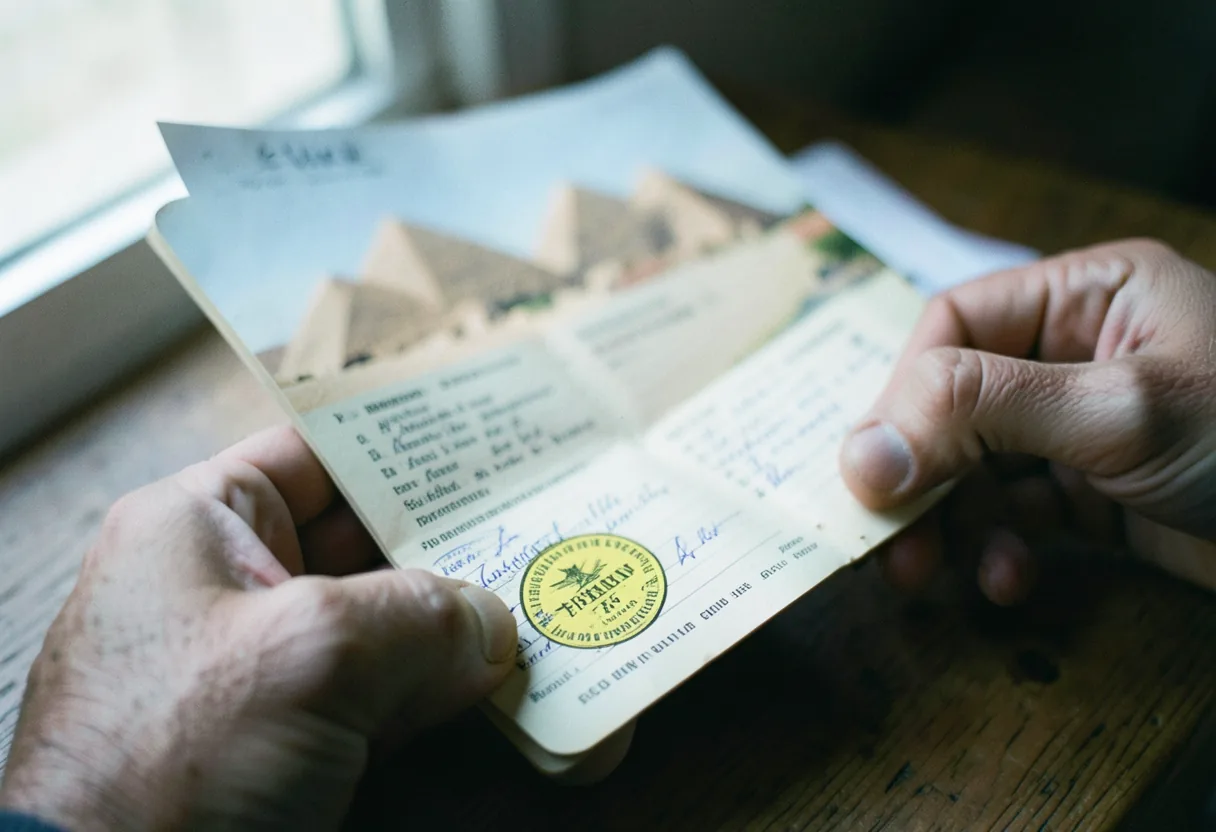
Think of vaccinations for Egypt like a passport for your immune system, it needs specific stamps to enter safely, just as your actual passport does.
Key facts
- Yellow fever vaccination is required if arriving from a country with risk of transmission.
- Routine vaccinations (e.g., MMR, diphtheria) are recommended regardless of destination.
- Hepatitis A and typhoid vaccines are advised due to food and water-borne risks in Egypt.
- Rabies vaccination may be recommended for long-term travelers or those engaging in outdoor activities.
Is it safe to travel to Egypt currently?
As of 2024, the U.S. Department of State advises exercising increased caution when traveling to Egypt due to terrorism and civil unrest. The safety landscape can vary significantly between cities and regions. For instance, popular tourist destinations like Luxor and Aswan are generally safer than border areas with Libya or the Sinai Peninsula, where terrorism risks are higher. Always check the latest travel advisories before planning your trip.
Vaccinations required for Egypt
The first time I really looked at the vaccination requirements for Egypt, I was surprised by how specific they are. Yellow fever vaccination is mandatory only if you’re arriving from a country with a risk of transmission, such as Brazil or parts of Africa. However, routine vaccinations like measles, mumps, and rubella (MMR) are strongly recommended, as they protect against diseases that are still present globally. Hepatitis A and typhoid vaccines are also advised due to the risk of contamination in food and water.
For long-term travelers or those planning to spend significant time outdoors, a rabies vaccination might be recommended. This is particularly important if you plan to visit rural areas where animal bites are more likely. The CDC also suggests considering hepatitis B vaccination for travelers who might engage in activities that expose them to blood or bodily fluids, such as getting a tattoo or undergoing medical procedures.
Egypt travel restrictions
Egypt has specific travel restrictions that vary depending on your country of origin. For example, travelers from countries with active yellow fever transmission must present a valid yellow fever vaccination certificate. Additionally, visa requirements can influence your travel plans. Some nationalities can obtain a visa on arrival, while others need to apply in advance. Always verify the latest entry requirements before your trip.
Certain areas in Egypt, such as the Sinai Peninsula, have additional travel advisories due to security concerns. The Egyptian government has implemented checkpoints and increased security measures in these regions, but the risk of terrorism remains a concern. Travelers should avoid non-essential travel to these areas and stay informed about the current situation.
Egypt travel packages
When planning a trip to Egypt, considering a travel package can simplify the process. Many tour operators offer all-inclusive packages that cover flights, accommodations, guided tours, and even some meals. For example, a 7-day trip to Egypt might include visits to the Pyramids of Giza, the Egyptian Museum in Cairo, and a Nile River cruise. These packages often include transportation between sites, which can be a significant advantage given the distance between major attractions.
Travel packages can also help ensure that you comply with any vaccination or health requirements. Some reputable tour operators partner with travel health clinics to provide pre-trip health consultations. This ensures that you receive the necessary vaccinations and travel advice tailored to your itinerary. Always choose a package from a well-reviewed operator to ensure a smooth and safe travel experience.
Egypt travel itinerary
Creating a well-structured travel itinerary is essential for making the most of your trip to Egypt. A typical 7-day itinerary might include:
- Day 1: Arrival in Cairo, visit the Pyramids of Giza and the Sphinx.
- Day 2: Explore the Egyptian Museum and Khan el-Khalili bazaar.
- Day 3: Travel to Luxor, visit Karnak Temple and Luxor Temple.
- Day 4: Excursion to the Valley of the Kings and Hatshepsut Temple.
- Day 5: Nile River cruise to Aswan, visit Philae Temple.
- Day 6: Explore Aswan High Dam and Abu Simbel Temple.
- Day 7: Return to Cairo for departure.
This itinerary balances cultural sites, historical landmarks, and relaxation. It’s important to include buffer time for rest and unexpected delays, especially when traveling between cities. Consider using a mix of domestic flights and private transportation to maximize your time.
Travel advisory – Arab Republic of Egypt
The U.S. Department of State provides detailed travel advisories for Egypt, categorizing regions by risk level. As of 2024, most of Egypt is under a Level 2 advisory, which means travelers should exercise increased caution. However, certain areas, such as the Sinai Peninsula and the Western Desert near the Libyan border, are under a Level 4 advisory, indicating that travel should be avoided due to higher risks.
Adhering to travel advisories is crucial for your safety. For example, the U.S. Embassy in Cairo regularly updates its safety information, including details on local laws, customs, and emergency contacts. Staying informed about these advisories can help you make better decisions about your travel plans and activities.
Risks in specific areas
Different regions in Egypt present varying levels of risk. For instance, Cairo is generally safe for tourists, but petty crime like pickpocketing can occur in crowded areas such as the Khan el-Khalili bazaar. In contrast, the Sinai Peninsula has a higher risk of terrorism and kidnapping, particularly in areas near the Gaza Strip.
When planning your trip, research the specific risks associated with each destination. For example, the Red Sea resorts like Sharm El-Sheikh are popular among tourists and have a lower risk of terrorism compared to other parts of the Sinai Peninsula. Always register with your embassy’s STEP program (Smart Traveler Enrollment Program) to receive safety updates and assistance in case of emergencies.
If you decide to travel to Egypt
If you decide to travel to Egypt, taking proactive steps to ensure your safety and health is essential. This includes getting the necessary vaccinations, following travel advisories, and choosing reputable tour operators. For example, the CDC recommends consulting a travel health specialist at least 4-6 weeks before your trip to ensure you have time to complete any required vaccinations.
Additionally, consider purchasing travel insurance that covers medical emergencies, trip cancellations, and lost luggage. This can provide peace of mind and financial protection in case of unexpected events. Always carry a copy of your vaccination records and any necessary medical documents with you during your travels.
Cultural etiquette and health precautions
Understanding cultural etiquette is just as important as getting the right vaccinations. In Egypt, dressing modestly, especially in religious sites, is highly recommended. For example, when visiting the Mosque of Muhammad Ali in Cairo, both men and women should cover their shoulders and knees. Respecting local customs can enhance your travel experience and help you avoid potential misunderstandings.
Health precautions extend beyond vaccinations. Carry a basic first-aid kit with essentials like antiseptic wipes, bandages, and any personal medication you might need. Stay hydrated, especially during the hot summer months, and be cautious with street food. Opt for well-cooked meals from reputable restaurants to minimize the risk of foodborne illnesses. Drinking bottled water is also advisable to avoid waterborne diseases.
Another aspect to consider is the availability of healthcare facilities. While major cities like Cairo and Luxor have modern hospitals, rural areas might have limited medical services. Familiarize yourself with the locations of hospitals and clinics along your travel route. The American Hospital in Cairo is a well-equipped facility that caters to international travelers and offers a range of medical services.
Egypt travel health insurance
Travel health insurance is a critical consideration for any trip to Egypt. It provides financial protection against unexpected medical expenses, trip cancellations, and other emergencies. For example, a comprehensive travel insurance plan might cover emergency medical evacuation, hospital stays, and prescription medications. This is particularly important if you’re traveling to remote areas where medical facilities might be limited.
When choosing a travel insurance plan, look for one that covers pre-existing medical conditions if applicable. Some plans also offer coverage for adventure activities like scuba diving in the Red Sea or hot air balloon rides over Luxor. Always read the policy details carefully to understand what is covered and any exclusions that might apply. Websites like offer detailed comparisons and reviews of different travel insurance plans.
In addition to medical coverage, travel insurance can also provide support for lost or stolen luggage, trip delays, and other travel-related issues. For example, if your flight is canceled due to unforeseen circumstances, your travel insurance might reimburse you for additional accommodation and meal expenses. Always keep copies of your travel insurance documents and emergency contact numbers handy during your trip.
Vaccination clinics and health services in Egypt
Knowing where to get vaccinations and health services in Egypt can be crucial for your well-being. Major cities like Cairo, Luxor, and Alexandria have numerous clinics and hospitals that offer travel health services. For instance, the Travel Health Clinic at the provides a range of vaccinations and travel health advice tailored to your itinerary. This clinic is well-equipped and staffed by experienced healthcare professionals who can guide you through the necessary vaccinations and health precautions.
In Luxor, the offers comprehensive health services, including vaccinations and emergency care. This hospital is known for its modern facilities and English-speaking staff, making it a reliable option for travelers. Similarly, in Alexandria, the provides a range of medical services, including travel health consultations and vaccinations.
For those traveling to more remote areas, it’s advisable to get all necessary vaccinations and health checks before departure. Carry a copy of your vaccination records and any prescribed medications with you. In case of emergencies, knowing the location of the nearest hospital or clinic can be lifesaving. The Egyptian Ministry of Health website provides a list of authorized health facilities across the country, ensuring you have access to reliable medical services wherever you go.
Stay informed about the latest travel advisories and health recommendations to ensure a safe and enjoyable trip to Egypt.
Frequently asked questions
Which vaccinations are mandatory for entry into Egypt?
Egypt requires proof of yellow fever vaccination only if arriving from a country with risk of transmission. Routine vaccines like Hepatitis A and Typhoid are strongly recommended due to food and water risks. No other shots are legally mandatory, but check CDC guidelines for health safety.
Why is the Hepatitis A vaccine recommended for travelers to Egypt?
Hepatitis A is common in Egypt due to contaminated food and water. The vaccine, given in two doses six months apart, offers long-term protection. Even with precautions, risk remains high, making vaccination essential for all travelers.
What is the risk of contracting Typhoid in Egypt?
Typhoid fever persists in Egypt, especially in areas with poor sanitation. The vaccine, available as an injection or oral capsules, is 50-80% effective. Travelers should combine vaccination with careful food and water choices to minimize risk.
Are there any seasonal vaccination recommendations for Egypt?
During summer, meningococcal vaccine is advised for pilgrimage travelers due to crowded conditions. Rabies vaccine may be considered for those visiting rural areas. Seasonal flu shot is recommended during Egypt's flu season, typically December to March.