
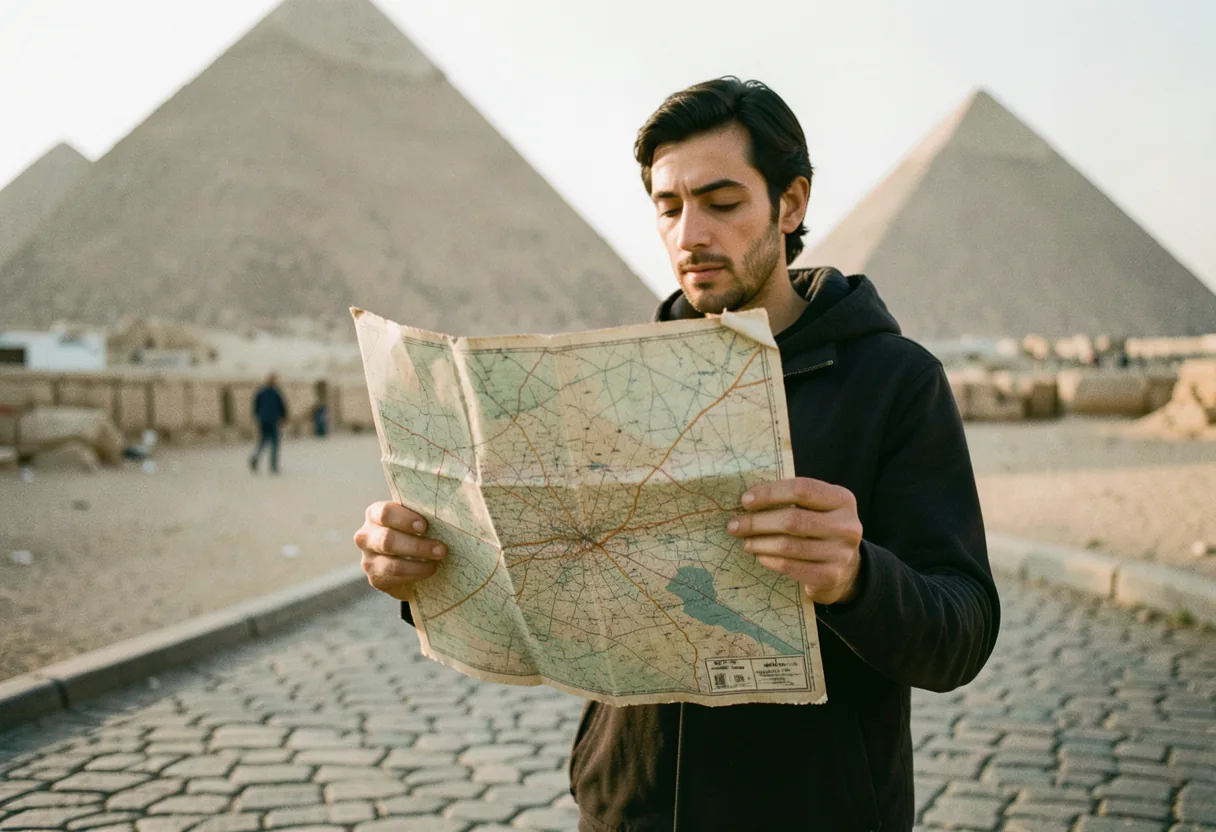
Egypt is generally safe for travel, with millions visiting annually. The government maintains strong security, especially around tourist sites like the pyramids. Avoid remote areas near the Libyan border. Check your country’s travel advisories for updates before planning.
Is it safe to travel to Egypt right now is a question many travelers ask, given Egypt travel’s unique blend of ancient wonders and modern challenges.
Egypt travel is like enjoying a rich feast while carefully avoiding a few spoiled dishes. The majority of your experience will be magnificent, but you need to be aware of specific risks and how to avoid them.
Key facts
- Egypt travel safety varies by location; most tourist areas are secure, while some regions near borders have higher risks.
- The U.S. State Department rates Egypt as “Level 2: Exercise Increased Caution” for general travel, with specific areas at higher levels.
- Egypt tourism is thriving, with over 11 million visitors in 2023, drawn to its iconic landmarks and rich culture.
- Common safety concerns include petty crime, limited police presence in tourist areas, and cultural sensitivities.
Is it safe to travel to Egypt currently?
Egypt travel is generally safe for tourists who take standard precautions. Most visitors enjoy their trips without incident, exploring famous sites like the Pyramids of Giza and Luxor Temple without problems. However, it’s essential to stay informed about current conditions and follow local advice. The Egyptian government has made significant efforts to improve safety for visitors, including increased police presence in tourist areas. That said, petty crimes like pickpocketing can occur, so keeping valuables secure is wise.
The first time I really looked at Egypt travel safety, I was struck by how much the risks depend on where you go. The bustling streets of Cairo present different challenges than the serene temples of Abu Simbel. For up-to-date information, check the Egypt travel advisory from your country’s foreign office. Many governments advise exercising increased caution, particularly in border areas and certain parts of the Sinai Peninsula.
Is it safe to travel to Egypt Cairo right now?
Cairo, Egypt’s vibrant capital, is a major destination for Egypt travel, offering a mix of ancient history and modern life. While generally safe for tourists, Cairo has higher crime rates than other tourist areas. The U.S. State Department advises travelers to exercise increased caution in Cairo due to crimes like pickpocketing and scams. To stay safe, stick to well-populated areas, avoid walking alone at night, and use reputable tour operators and transportation services. The Egyptian Museum in Tahrir Square is a must-visit, but be mindful of your belongings in crowded places.
For a safer experience, consider joining organized tours that provide guided transportation and knowledgeable local guides. Many visitors find that traveling with a group or using pre-arranged transportation services helps them feel more secure. Additionally, hotels in popular tourist areas often have security measures in place to protect guests.
Egypt travel packages
Egypt travel packages offer a convenient way to explore the country’s highlights while ensuring safety and logistics are handled professionally. These packages typically include accommodation, transportation, guided tours, and sometimes meals. Popular options include Nile River cruises, visits to historical sites like the Valley of the Kings, and excursions to Red Sea resorts. Companies like TUI and Exodus Travels offer well-reviewed Egypt travel packages that cater to different budgets and interests.
When choosing an Egypt travel package, look for reputable providers with good reviews and clear safety protocols. Ensure the package includes visits to the sites you’re most interested in and offers comfortable accommodation. Many packages also provide options for private tours, which can enhance your safety and provide a more personalized experience.
Egypt travel restrictions
Egypt travel restrictions are relatively minimal compared to some other destinations, but there are still important regulations to be aware of. As of 2024, most travelers need a visa to enter Egypt, which can be obtained on arrival or applied for online in advance. Certain areas, particularly near borders and conflict zones, may have additional restrictions or require special permits. The Sinai Peninsula, for example, has specific travel advisories due to security concerns. Always check the latest Egypt travel ban updates before planning your trip.
Health-related restrictions are generally minimal, but it’s advisable to have travel insurance that covers medical emergencies. Some regions may require specific vaccinations, so consult a travel health specialist before your trip. Additionally, be aware of cultural and dress code restrictions, especially when visiting religious sites. Respecting local customs can enhance your safety and ensure a more enjoyable experience.
Egypt travel guide
An Egypt travel guide is essential for planning a safe and enjoyable trip. A good guide will provide information on the best times to visit, must-see attractions, local customs, and safety tips. The official Egypt travel guide from the Egyptian Tourism Authority is a valuable resource, offering detailed information on destinations like Luxor, Aswan, and the Red Sea. Additionally, online platforms like Lonely Planet and TripAdvisor offer user reviews and practical advice from fellow travelers.
When using an Egypt travel guide, pay attention to sections on safety and cultural etiquette. For example, dressing modestly and respecting local traditions can help you avoid unwanted attention. Guides often highlight the best neighborhoods for accommodation and dining, as well as tips for avoiding common scams. Always cross-reference information from multiple sources to get a well-rounded understanding of what to expect.
Egypt travel itinerary
Creating an Egypt travel itinerary ensures you make the most of your trip while staying safe. A well-planned itinerary should include a mix of historical sites, cultural experiences, and relaxation time. For a 7-day trip, consider starting in Cairo to explore the Pyramids and Egyptian Museum, then heading to Luxor for ancient temples and tombs. A Nile River cruise is a popular addition, offering a scenic way to travel between key destinations. Include time for rest and recovery, as Egypt travel can be intense with so much to see.
When planning your itinerary, prioritize safety by choosing reputable tour operators and transportation services. Pre-book tours and accommodation to avoid last-minute hassles. For example, a guided tour of the Valley of the Kings ensures you have an expert to navigate the site’s complexities. Always leave room for flexibility, as unforeseen events like weather changes or transportation delays can occur. Balance your itinerary with a mix of activities to avoid exhaustion and enjoy your trip fully.
Travel advisory – Arab Republic of Egypt
The travel advisory for the Arab Republic of Egypt provides crucial information for staying safe during your trip. Governments like the U.S., UK, and Canada issue travel advisories that outline potential risks and safety precautions. The U.S. State Department, for example, advises exercising increased caution in Egypt, with specific areas like the Sinai Peninsula and the Western Desert requiring more vigilance. These advisories are regularly updated based on current events and security assessments. Always check the latest travel advisory before and during your trip to stay informed.
The advisory summary typically includes information on crime rates, political stability, and health concerns. For instance, the U.S. advisory highlights the risk of terrorism and civil unrest in certain areas. It also provides advice on how to stay safe, such as avoiding large gatherings and staying alert in public places. Additionally, the advisory may include contact information for local embassies and consulates, which can be helpful in case of emergencies.
Level 2 – Exercise increased caution
The “Level 2: Exercise Increased Caution” advisory is a common rating for Egypt travel, indicating that while the country is generally safe, visitors should be more vigilant. This level of advisory is issued by several governments, including the U.S. and Canada, and is based on factors like crime rates and political stability. When traveling to Egypt under a Level 2 advisory, it’s important to take additional precautions to ensure your safety. This includes staying aware of your surroundings, avoiding risky areas, and following local news for updates on any potential issues.
Exercising increased caution means being proactive about your safety. For example, avoid walking alone at night, especially in poorly lit areas. Use reputable transportation services and be cautious when using public transport. Additionally, keep your valuables secure and be aware of common scams targeting tourists. By taking these precautions, you can enjoy your trip while minimizing risks. Always refer to the latest advisory summary for specific advice tailored to your travel plans.
Exercise increased caution
Exercise increased caution is a key principle for safe Egypt travel. This means being extra vigilant and taking steps to protect yourself and your belongings. One way to exercise increased caution is by staying informed about local conditions. Check travel advisories regularly and sign up for alerts from your country’s embassy. This will help you stay updated on any potential risks or changes in the security situation. Additionally, avoid areas known for high crime rates or political instability, and be cautious when using public transportation.
Another aspect of exercising increased caution is being mindful of your surroundings. Avoid displaying valuable items like jewelry or expensive cameras in public. Use hotel safes to store important documents and keep cash and cards secure. When exploring tourist sites, be aware of pickpockets and scammers. Engaging with local guides and tour operators can also enhance your safety, as they are familiar with the area and can provide valuable insights. By exercising increased caution, you can enjoy a safer and more enjoyable trip to Egypt.
Advisory summary
The advisory summary for Egypt travel provides a concise overview of the safety situation in the country. This summary typically includes information on crime rates, political stability, and health concerns. For example, the U.S. State Department’s advisory summary highlights the risk of terrorism and civil unrest in certain areas, as well as the prevalence of petty crime in tourist destinations. The summary also provides advice on how to stay safe, such as avoiding large gatherings and staying alert in public places. Additionally, it may include contact information for local embassies and consulates, which can be helpful in case of emergencies.
When reviewing the advisory summary, pay attention to specific risks mentioned for the areas you plan to visit. For instance, the summary may advise against travel to certain border regions due to the risk of terrorism. It may also provide guidance on health precautions, such as vaccinations required for specific areas. By understanding the advisory summary, you can make informed decisions about your travel plans and take appropriate safety measures. Always check the latest summary before and during your trip to stay informed.
Risks in specific areas
Understanding the risks in specific areas is crucial for safe Egypt travel. While most tourist destinations are generally safe, certain regions present higher risks. The Sinai Peninsula, for example, has a higher risk of terrorism and civil unrest, leading to travel advisories recommending caution in this area. Similarly, border regions with Libya and Sudan may have increased risks due to political instability and crime. Always check the latest travel advisories for specific areas you plan to visit and avoid regions with high-risk ratings.
The Western Desert, including areas like the Siwa Oasis, also requires caution due to remote locations and limited infrastructure. Traveling in these areas often involves long distances and challenging terrain, making it essential to have a reliable vehicle and experienced guides. Additionally, the Nubian Desert and parts of the Eastern Desert have risks related to extreme weather and limited emergency services. Always plan your trips carefully and ensure you have the necessary permits and support for safe travel in these regions.
Level: 4 – Do not travel
Level 4: Do not travel is the highest advisory level issued by governments like the U.S. and Canada, indicating extreme risks in certain areas of Egypt. This level of advisory is typically reserved for regions with high levels of terrorism, civil unrest, or crime. For example, certain parts of the Sinai Peninsula and border areas with Libya and Sudan may be rated as Level 4 due to the high risk of violence and instability. Traveling to these areas is strongly discouraged, and those already present are advised to leave immediately. Always check the latest travel advisories to understand the current risks in specific regions.
If you find yourself in an area with a Level 4 advisory, prioritize your safety by following the advice of local authorities and your country’s embassy. Avoid all non-essential travel and stay in secure locations. Keep in touch with family and friends, and have an emergency plan in place. In case of an emergency, contact your embassy for assistance. By staying informed and cautious, you can minimize risks and ensure your safety during Egypt travel.
If you decide to travel to Egypt:
If you decide to travel to Egypt, taking proactive steps to ensure your safety is essential. Start by researching your destinations thoroughly and understanding the potential risks. Check travel advisories regularly and sign up for alerts from your country’s embassy. Plan your itinerary carefully, focusing on well-known tourist areas with established safety measures. Use reputable tour operators and transportation services to enhance your safety and enjoy a seamless travel experience.
When in Egypt, stay aware of your surroundings and avoid risky behaviors. Keep your valuables secure and be cautious when using public transportation. Engage with local guides and tour operators for valuable insights and support. Respect local customs and dress codes, especially when visiting religious sites. By taking these precautions, you can enjoy a safe and memorable trip to Egypt. Always prioritize your safety and stay informed about the latest travel advisories and conditions.
About Egypt
Egypt is a country rich in history, culture, and natural beauty, offering a unique travel experience. Known for its ancient wonders like the Pyramids of Giza and the Valley of the Kings, Egypt attracts millions of visitors each year. The country is also home to vibrant cities like Cairo and Alexandria, as well as stunning natural landscapes such as the Nile River and the Red Sea coast. Understanding the cultural and historical context of Egypt can enhance your travel experience and help you appreciate its many treasures. For example, the ancient Egyptian civilization left behind a legacy of art, architecture, and mythology that continues to fascinate people around the world.
Egypt’s diverse landscapes offer a range of activities for travelers. From exploring ancient temples and tombs to relaxing on beautiful beaches, there’s something for everyone. The Nile River, the longest river in the world, provides a scenic route for cruises and boat trips. The Red Sea coast is known for its crystal-clear waters and vibrant coral reefs, making it a paradise for snorkeling and diving. Additionally, Egypt’s rich culinary tradition offers a variety of delicious dishes to try, from koshari to ful medames. By immersing yourself in Egypt’s culture and history, you can gain a deeper appreciation for this remarkable destination.
Is it safe to travel to Egypt right now for Americans?
Is it safe to travel to Egypt right now for Americans is a common question, and the answer is generally yes, with precautions. The U.S. State Department advises exercising increased caution when traveling to Egypt, which means being more vigilant about your surroundings and taking extra safety measures. Most tourist areas are safe for Americans, and the Egyptian government has made efforts to improve security for visitors. However, it’s essential to stay informed about current conditions and follow local advice. For example, areas like the Pyramids of Giza and Luxor Temple are well-protected and popular among American tourists.
The first time I really looked at Egypt travel safety for Americans, I was impressed by the level of preparation required. Researching the latest travel advisories and understanding the specific risks in different regions is crucial. The U.S. Embassy in Egypt provides valuable resources and support for American travelers, including emergency assistance and safety tips. Additionally, joining travel groups or forums can help you stay connected with other travelers and share safety information. By taking these steps, American travelers can enjoy a safe and memorable trip to Egypt.
How much would a 7 day trip to Egypt cost?
A 7-day trip to Egypt can vary
Frequently asked questions
What's the current travel advisory for Egypt?
The U.S. State Department lists Egypt as a Level 2: Exercise Increased Caution. The UK Foreign Office advises against all travel to the Sinai Peninsula and the western desert near the Libyan border, but considers the rest safe with normal precautions. Always check for updates before planning.
Are there any recent safety concerns in tourist areas?
Tourist hotspots like Luxor, Aswan, and the Red Sea resorts remain generally safe. However, petty crime and scams target visitors, especially in Cairo. The 2019 attack near the Giza pyramids was an isolated incident. Stay alert, avoid unlicensed taxis, and keep valuables secure.
How reliable is public transportation for tourists?
Public buses and microbuses are cheap but chaotic, not ideal for tourists. Trains between cities are affordable and safer, though delays are common. Private drivers or organized tours offer more comfort and security. In Cairo, ride-hailing apps like Uber and Careem provide reliable, metered service.
What health precautions should travelers take?
Hepatitis A and typhoid vaccinations are recommended. Drink only bottled water, avoid ice in drinks, and be cautious with street food. The CDC warns of high rates of hepatitis C in Egypt, but no special precautions beyond standard hygiene are needed for short visits. Pack sunscreen and stay hydrated.