

Egypt’s travel ban applies to specific areas like the Western Desert and parts of Sinai due to security concerns. Tourists can still visit iconic sites like the Pyramids of Giza and Luxor’s temples. Check official government advisories for updates before planning your trip.
An Egypt travel ban refers to government-imposed restrictions on travel to or from Egypt, impacting tourists, expats, and residents.
Imagine Egypt as a bustling museum that occasionally closes certain galleries for maintenance; an Egypt travel ban is like when the entire museum shuts down, requiring visitors to check official notices before planning their trip.
Key facts
- The U.S. State Department currently advises Level 2: Exercise Increased Caution when traveling to Egypt.
- As of 2023, there are no widespread, blanket travel bans in place for Egypt, but specific areas have restrictions.
- Egypt has implemented health-related travel restrictions, such as COVID-19 testing requirements, which have evolved over time.
- Tourist hotspots like Luxor, Aswan, and the Red Sea resorts remain generally open and safe for travel.
Is it safe to travel to Egypt currently?
Egypt is generally safe for travel, but safety can vary by region. The Egyptian government and international agencies like the U.S. State Department provide regular updates on travel advisories. As of the latest updates, most tourist areas are considered safe, but travelers should stay informed about specific risks, such as terrorism or civil unrest in certain areas.
For instance, areas near the Libyan border or the Sinai Peninsula may have higher risks, and travelers should exercise increased caution or avoid these regions altogether. The U.S. State Department’s travel advisory for Egypt provides detailed information on safety concerns and recommended precautions.
The first time I really looked at Egypt’s safety guidelines, I was surprised by how much they emphasized staying in well-populated tourist areas. This advice aligns with the general consensus that sticking to popular destinations like Cairo, Luxor, and the Red Sea resorts minimizes risk.
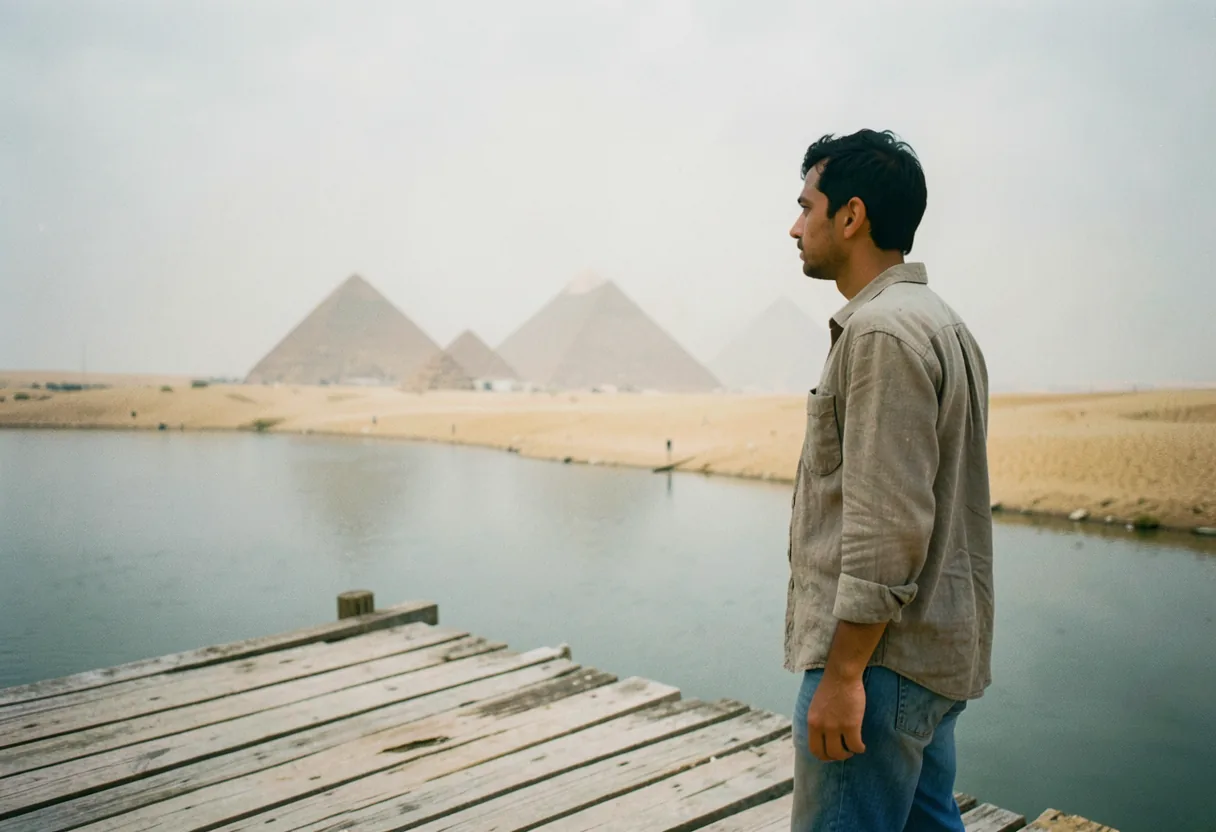
Can Americans visit Egypt safely?
Americans can visit Egypt safely, but they should be aware of the current travel advisories and take necessary precautions. The U.S. State Department’s Level 2: Exercise Increased Caution advisory means that while travel is not banned, visitors should be more vigilant about their surroundings and follow safety guidelines.
For example, Americans should avoid traveling to areas with active conflict or high crime rates. Additionally, they should register with the Smart Traveler Enrollment Program (STEP) to receive safety updates and assistance from the nearest U.S. embassy or consulate.
Egypt travel packages
Egypt offers a variety of travel packages catering to different interests and budgets. These packages often include accommodations, guided tours, and transportation, making it easier for travelers to explore the country’s rich history and culture.
For instance, a 7-day Nile River cruise package might include visits to Luxor, Aswan, and Abu Simbel, with stops at ancient temples and tombs. Another popular option is a Red Sea resort package, which focuses on relaxation and water activities like snorkeling and diving.
Here’s a quick comparison of some popular Egypt travel packages:
Egypt travel restrictions
Egypt has implemented various travel restrictions to ensure the safety and health of travelers. These restrictions can include visa requirements, health screenings, and specific entry/exit rules. For example, as of 2023, travelers from certain countries may need to obtain a visa upon arrival, while others can apply for an e-visa online.
Additionally, health-related restrictions, such as COVID-19 testing or vaccination requirements, have been in place and may change based on global health conditions. Travelers should check the latest updates from the Egyptian Ministry of Health before planning their trip.
Here’s a summary of current travel restrictions:
Is it safe to travel to Egypt Cairo right now?
Cairo, Egypt’s capital, is generally safe for travelers, but visitors should be aware of potential risks such as petty crime and traffic hazards. The city is a major tourist destination, offering iconic landmarks like the Pyramids of Giza, the Egyptian Museum, and the Khan el-Khalili bazaar.
To stay safe in Cairo, travelers should avoid walking alone at night, use reputable transportation services, and be cautious with valuables. The U.S. State Department’s travel advisory for Cairo provides specific safety tips and recommendations for visitors.
Egypt travel guide
An Egypt travel guide is essential for planning a successful trip. These guides provide detailed information on attractions, accommodations, transportation, and cultural etiquette. For example, a comprehensive guide might include tips on bargaining at markets, recommended restaurants, and how to dress appropriately when visiting religious sites.
Popular Egypt travel guides include the Lonely Planet Egypt guidebook and the Fodor’s Egypt travel guide. These resources offer insider tips and practical advice to help travelers make the most of their visit.
Egypt travel itinerary
Creating an Egypt travel itinerary involves selecting the must-see attractions and planning your route efficiently. A well-organized itinerary ensures you make the most of your time and experience the best that Egypt has to offer.
Here’s a sample 7-day Egypt travel itinerary:
- Day 1: Arrival in Cairo, visit the Pyramids of Giza and the Sphinx
- Day 2: Explore the Egyptian Museum and Khan el-Khalili bazaar
- Day 3: Travel to Luxor, visit Karnak Temple and Luxor Temple
- Day 4: Tour the Valley of the Kings and Hatshepsut Temple
- Day 5: Travel to Aswan, visit the Aswan High Dam and Philae Temple
- Day 6: Take a felucca ride on the Nile and explore Nubian culture
- Day 7: Fly back to Cairo and depart
Travel advisory – Arab Republic of Egypt
The travel advisory for the Arab Republic of Egypt is issued by various governments to inform travelers of potential risks and safety concerns. These advisories provide updates on political stability, health conditions, and specific areas to avoid.
For example, the U.S. State Department’s travel advisory for Egypt includes information on terrorism risks, civil unrest, and health-related concerns. Travelers should regularly check these advisories before and during their trip to stay informed.
Level 2 – Exercise increased caution
The Level 2: Exercise Increased Caution advisory is issued by the U.S. State Department for Egypt. This level indicates that travelers should be aware of heightened risks and take additional precautions to ensure their safety.
For instance, travelers should stay informed about local news, avoid large crowds, and be cautious when using public transportation. The advisory also recommends registering with the Smart Traveler Enrollment Program (STEP) to receive safety updates and assistance.
Exercise increased caution
Exercising increased caution means taking extra steps to ensure your safety while traveling. This can include staying in well-populated areas, avoiding risky behaviors, and being aware of your surroundings.
For example, in Egypt, travelers should avoid traveling alone at night, use reputable transportation services, and be cautious with valuables. Additionally, staying informed about local news and following the advice of local authorities can help mitigate risks.
Advisory summary
An advisory summary provides a concise overview of the current travel advisories for a specific country. For Egypt, the summary includes information on safety concerns, health-related restrictions, and specific areas to avoid.
For instance, the U.S. State Department’s advisory summary for Egypt highlights the Level 2: Exercise Increased Caution advisory, along with specific risks in certain areas. Travelers should review this summary before planning their trip to stay informed and prepared.
Risks in specific areas
Egypt has specific areas with higher risks, such as the Sinai Peninsula and regions near the Libyan border. These areas may experience higher levels of terrorism, civil unrest, or crime, making them more dangerous for travelers.
For example, the Sinai Peninsula has seen incidents of terrorism and military operations, leading to increased risks for travelers. The U.S. State Department’s travel advisory provides detailed information on these risks and recommends avoiding travel to these areas.
Level: 4 – Do not travel
The Level 4: Do Not Travel advisory is the highest level of travel warning issued by the U.S. State Department. This level indicates that travelers should avoid all travel to the specified country or region due to extreme risks.
As of the latest updates, there are no widespread Level 4 advisories for Egypt. However, specific areas within the country may have this advisory due to extreme risks, such as active conflict or high levels of crime. Travelers should check the latest advisories before planning their trip.
If you decide to travel to Egypt:
If you decide to travel to Egypt, there are several steps you can take to ensure your safety and enjoy your trip. These steps include staying informed about local news, following safety guidelines, and being prepared for any emergencies.
For example, registering with the Smart Traveler Enrollment Program (STEP) can provide you with safety updates and assistance from the nearest U.S. embassy or consulate. Additionally, having travel insurance and knowing local emergency contact numbers can help you stay safe and prepared.
About Egypt
Egypt is a country rich in history, culture, and natural beauty. Known for its ancient pyramids, the Nile River, and vibrant cities, Egypt attracts millions of tourists each year. The country offers a diverse range of experiences, from exploring ancient ruins to relaxing on the Red Sea beaches.
For instance, the Great Pyramid of Giza is one of the most iconic landmarks in Egypt and a must-see for any visitor. The in Cairo houses an extensive collection of ancient artifacts, providing a deeper understanding of the country’s rich history.
When planning your trip to Egypt, stay updated on the latest travel advisories and restrictions to ensure a safe and enjoyable experience.
Frequently asked questions
Which countries currently have travel bans to Egypt?
As of mid-2023, several countries have travel advisories or bans affecting Egypt. The UK, for example, advises against all travel to the Sinai Peninsula except Sharm El-Sheikh. The U.S. State Department has Egypt at Level 2: Exercise Increased Caution, with specific warnings for the Western Desert and the border with Libya.
What are the reasons behind the current travel restrictions?
The travel restrictions stem from security concerns, particularly in regions near conflict zones. For instance, the Western Desert and areas near the Libyan border are off-limits due to terrorist activity. Political instability and occasional protests also contribute to these advisories.
How do these travel bans affect tourism in Egypt?
Tourism has taken a hit, with visitor numbers dropping significantly in recent years. In 2022, Egypt saw around 11.7 million tourists, a decline from pre-pandemic levels. Popular destinations like Luxor and Aswan have felt the impact, though resorts in Sharm El-Sheikh remain relatively unaffected.
Are there any exceptions or special permits for travel to restricted areas?
Yes, special permits can be obtained for certain restricted areas, but they are rarely granted to tourists. For example, visiting the Siwa Oasis near the Libyan border requires prior authorization from Egyptian authorities. Always check with the nearest Egyptian consulate for the latest information.