
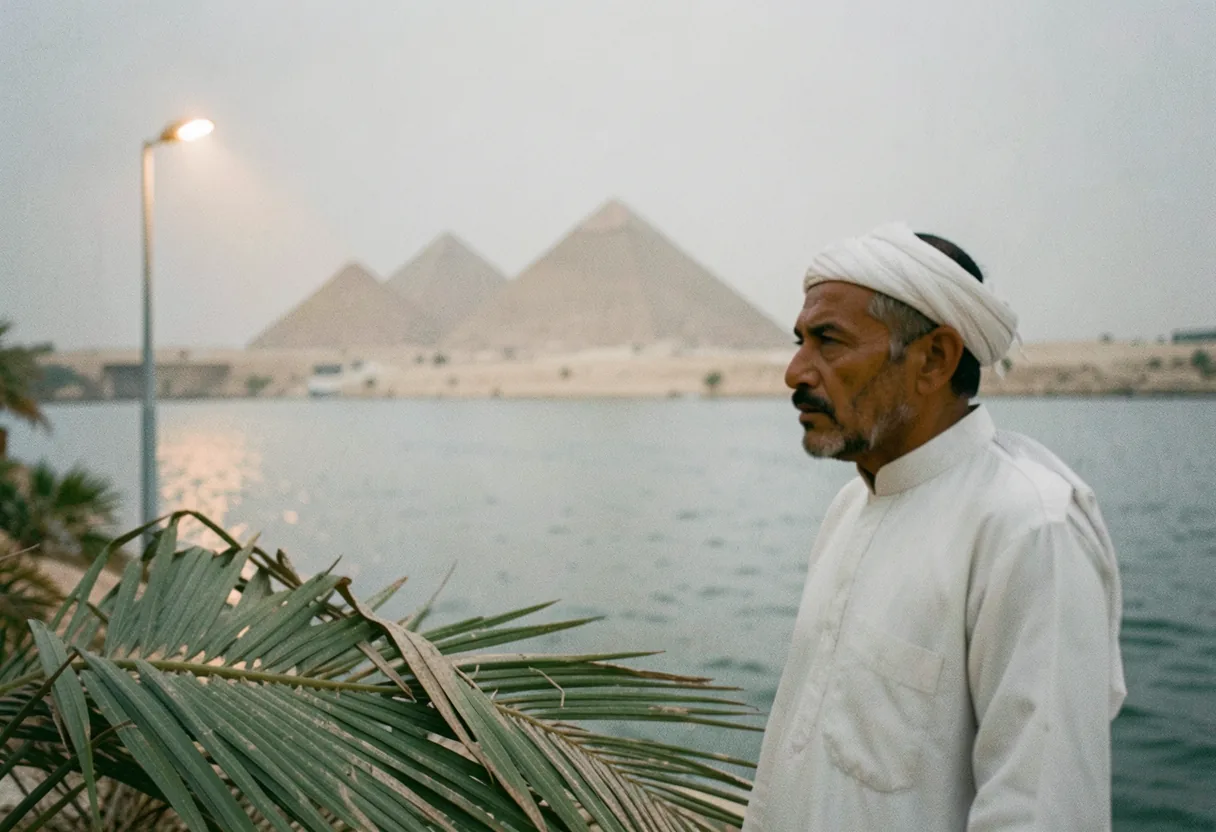
Egypt is generally safe for tourists, but risks include terrorism, especially near the Libyan border. Avoid isolated areas and protests. Petty crime exists in cities like Cairo; keep valuables secure. Follow government travel advisories for updates.
Is it dangerous to travel to Egypt? The safety of Egypt travel depends on your itinerary, precautions, and current global events, not a blanket risk.
Egypt is like a well-worn hiking trail with a few steep drops: most travelers pass through fine, but you should study the path, stay alert, and avoid known trouble spots.
Key facts
- Egypt welcomed 11.7 million tourists in 2022, showing steady recovery post-pandemic.
- The U.S. State Department classifies Egypt as a Level 2: Exercise Increased Caution destination (same as France and Germany).
- Tourist areas like Luxor and Aswan have lower crime rates than Cairo, with violent crime against visitors being rare.
- Egypt has strict laws against protests; avoid demonstrations to prevent detention or deportation.
Is it safe to travel to Egypt currently?
Egypt is generally safe for travelers who stick to tourist areas, follow local laws, and monitor advisories. The biggest risks are petty theft (like pickpocketing in crowded markets) and traffic accidents (Egypt’s roads are chaotic). Political unrest is rare in tourist zones, but protests can erupt suddenly in cities. The Egyptian government prioritizes tourist safety, with heavy security at major sites like the Giza Pyramids and Luxor Temple.
The first time I really looked at Egypt’s safety statistics, I was surprised by how low violent crime rates are for tourists. Petty theft is the main concern, but even that drops significantly if you avoid poorly lit areas at night and use registered taxis.
Can Americans visit Egypt safely?
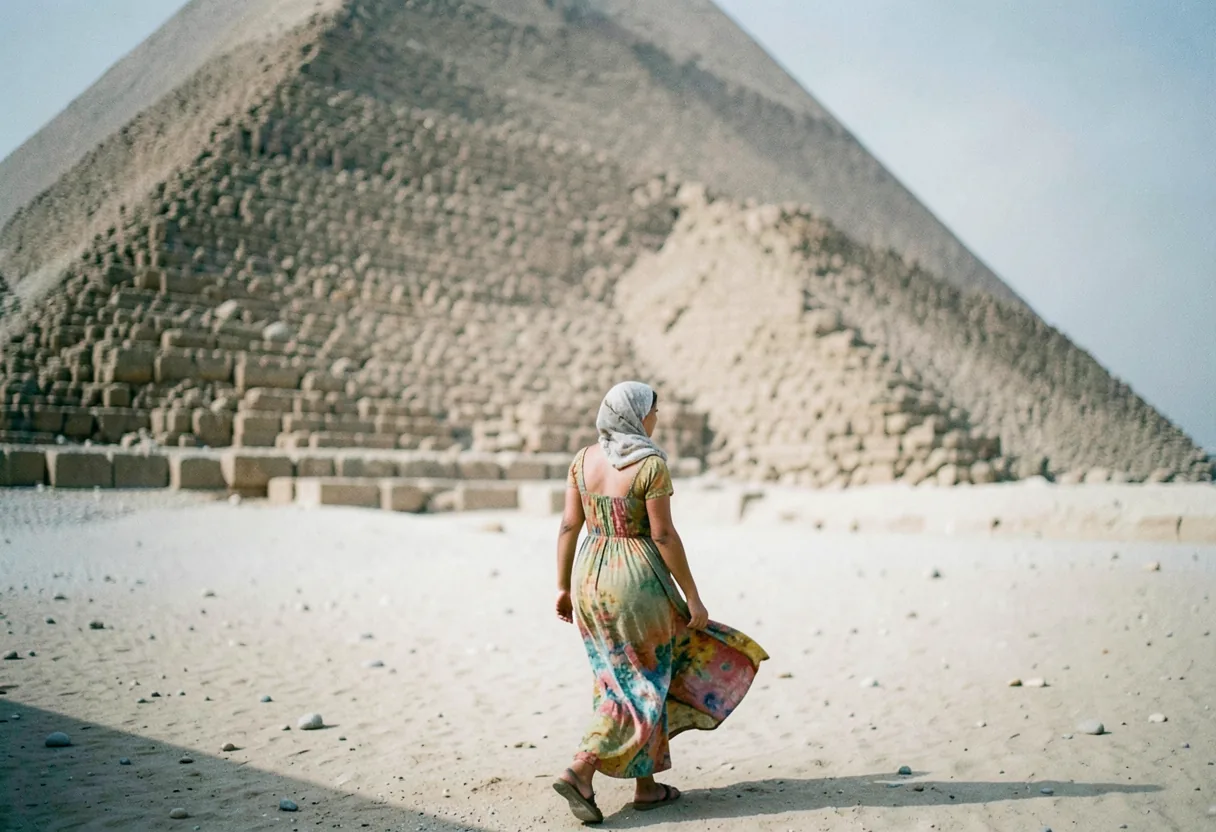
Yes, Americans can visit Egypt safely if they follow basic precautions. The U.S. Embassy in Cairo actively assists tourists, and many Americans visit annually without incident. Common-sense steps like avoiding unlicensed taxis, dressing modestly in conservative areas, and carrying copies of your passport reduce risks further.
For Americans concerned about legal issues, note that Egypt has strict drug laws (including for prescription medications) and penalties for criticizing the government. Always research current laws before traveling. The U.S. Embassy in Cairo provides updates on safety and legal matters.
How much would a 7-day trip to Egypt cost?
A 7-day trip to Egypt can range from budget-friendly to luxurious, depending on your choices. Mid-range travelers might spend around $1,000-$1,500 for flights, accommodation, tours, and meals. Luxury packages can exceed $3,000, while backpackers may manage on $500-$700.
The cost varies by season: peak times (December-February) are pricier, while shoulder seasons (March-April, October-November) offer better deals. Many travelers book Egypt travel packages, which bundle flights, hotels, and guided tours for discounts.
Is $100 a lot in Egypt?
Yes, $100 is a significant amount in Egypt. As of 2023, the exchange rate is roughly 30 Egyptian pounds (EGP) to $1 USD, making $100 equal to about 3,000 EGP. This covers multiple meals, a Nile River cruise, or entry fees to several major attractions. For context, a typical meal at a mid-range restaurant costs 150-300 EGP ($5-$10 USD).
Egypt travel packages
Egypt travel packages simplify planning by bundling flights, hotels, and guided tours. Popular options include:
- Luxury Nile Cruises: 7-day cruises from Luxor to Aswan, including visits to Valley of the Kings and Abu Simbel, starting around $1,200 per person.
- Cultural Highlights: 5-day tours covering Cairo, Giza, and Alexandria, priced at $600-$900 per person.
- Budget Adventures: 4-day trips focusing on Cairo and Giza, often under $400 per person.
Reputable providers like G Adventures and Intrepid Travel offer well-reviewed packages with knowledgeable guides.
Egypt travel restrictions
Egypt has minimal entry restrictions for most travelers. Visas on arrival are available for $25 USD at major airports, and e-Visas can be applied for online. Some nationalities (e.g., Gulf Cooperation Council citizens) receive free visas. Health requirements are minimal, but proof of yellow fever vaccination may be required if arriving from an endemic country.
Travel advisory – Arab Republic of Egypt
The U.S. State Department advises Exercise Increased Caution in Egypt, noting risks like terrorism and civil unrest. However, these risks are concentrated in areas like the Sinai Peninsula and the Western Desert, which most tourists avoid. The UK Foreign Office also advises against travel to these regions but considers tourist areas safe.
Level 2 – Exercise increased caution
The Level 2: Exercise Increased Caution advisory applies to all of Egypt except the Sinai Peninsula and the Western Desert, which are Level 4: Do Not Travel. This means standard precautions (like avoiding protests and monitoring local news) are sufficient for most visitors. The advisory does not discourage travel but encourages awareness of potential risks.
Is it safe to travel to Egypt right now
Yes, it is safe to travel to Egypt right now for those avoiding high-risk areas. The Egyptian government has invested heavily in tourist security, and major attractions are well-patrolled. Petty crime remains the primary concern, but incidents involving tourists are rare. Always check the latest travel advisories before departure.
Egypt travel guide
Egypt offers diverse experiences, from ancient history to modern cities. Key destinations include:
- Cairo: Home to the Giza Pyramids and Egyptian Museum, with bustling markets like Khan el-Khalili.
- Luxor: Known as the world’s greatest open-air museum, featuring Karnak Temple and Valley of the Kings.
- Aswan: A relaxed city near the Aswan High Dam and Philae Temple.
- Red Sea Resorts: Hurghada and Sharm El-Sheikh offer diving, snorkeling, and beaches.
Egypt travel itinerary
A well-planned itinerary ensures you see Egypt’s highlights without rushing. A common 7-day route includes:
- Days 1-3: Cairo (Pyramids, Egyptian Museum, Islamic Cairo).
- Days 4-5: Luxor (Karnak, Valley of the Kings, Hot Air Balloon Ride).
- Days 6-7: Aswan (Philae Temple, Abu Simbel, Nile Cruise).
For beach lovers, add 2-3 days in Hurghada or Sharm El-Sheikh at the end.
Risks in specific areas
The Sinai Peninsula and Western Desert have higher risks due to terrorism and armed conflict. The U.S. and UK governments advise against travel to these regions. Stick to tourist areas like Cairo, Luxor, and Aswan for minimal risk.
Level: 4 – Do not travel
The Level 4: Do Not Travel advisory applies to the Sinai Peninsula and the Western Desert bordering Libya. These areas have active conflict and terrorism risks. Travelers should avoid these regions entirely and focus on safer parts of Egypt.
If you decide to travel to Egypt:
Follow these steps to ensure a safe trip:
- Register with your embassy’s Smart Traveler Enrollment Program (STEP) for safety updates.
- Book accommodations in well-reviewed, secure areas.
- Use registered taxis or ride-hailing apps like Uber.
- Carry a copy of your passport and visa at all times.
- Avoid political gatherings and protests.
Cultural etiquette and local customs
Understanding local customs enhances your trip. Egyptians are generally hospitable, but respecting their culture is crucial. Dress modestly, especially in religious sites, and remove shoes when entering homes or mosques. Bargaining is common in markets, but do so politely. Avoid public displays of affection, and always ask before taking someone’s photo.
Learn a few Arabic phrases like “As-salamu alaykum” (Peace be upon you) and “Shukran” (Thank you). This shows respect and often elicits warm responses. Tipping (baksheesh) is expected for small services, so carry small bills.
Health and safety tips
Stay hydrated and protect yourself from the sun, as temperatures can exceed 40°C (104°F) in summer. Drink bottled water and avoid ice in drinks. Vaccinations for hepatitis A and typhoid are recommended; consult a travel clinic before your trip.
Pharmacies are widespread, but bring any essential medications, as brands may differ. Avoid street food if you have a sensitive stomach, and be cautious with raw vegetables and uncooked meals. Health insurance covering medical evacuation is advisable.
Best time to visit Egypt
The ideal time to visit Egypt is from October to April, when temperatures are milder. December to February is peak season, with cooler weather but larger crowds. Shoulder seasons (March-April and October-November) offer fewer tourists and pleasant temperatures.
Summer (May-September) is extremely hot, especially in Cairo and Luxor, but beach destinations like Hurghada remain popular due to their coastal breezes. If visiting during Ramadan, expect shorter business hours and adjusted dining options.
About Egypt
Egypt is a transcontinental country spanning North Africa and Sinai, with a rich history dating back to 3100 BCE. Key facts include:
Transportation options in Egypt
Getting around Egypt is straightforward, with various transportation options. Trains connect major cities like Cairo, Luxor, and Aswan, offering a scenic and budget-friendly way to travel. The operates sleeper trains for overnight journeys.
Domestic flights are available through airlines like EgyptAir, saving time for long distances. Buses are another affordable option, with companies like Go Bus and Upper Egypt Bus providing comfortable rides. For short distances, taxis and ride-hailing apps like Uber and Careem are convenient.
Egypt Travel Advisory FAQ
Stay updated on Egypt’s safety conditions by checking the Egypt Travel Warnings You Need to Know and Is It Safe to Travel to Egypt Right Now?. Plan ahead, and enjoy your trip!
Frequently asked questions
Are there active travel advisories for Egypt?
The U.S. State Department currently rates Egypt as Level 2: Exercise Increased Caution, similar to countries like France and Germany. Avoid non-essential travel to the Sinai Peninsula and the Western Desert near the Libyan border due to terrorism risks. Stick to tourist areas like Cairo, Luxor, and Aswan, which are generally safe with standard precautions.
What health risks should travelers be aware of in Egypt?
Hepatitis A and typhoid vaccinations are recommended. The CDC advises drinking only bottled or purified water to avoid traveler’s diarrhea. Heat exhaustion is common in summer months; carry water and wear light clothing. Mosquito-borne illnesses like dengue fever are present, so use insect repellent, especially near the Nile.
How common are scams targeting tourists in Egypt?
Common scams include overcharging for taxis, fake tour guides, and aggressive vendors. Always agree on prices beforehand and use reputable tour companies. The Egyptian Tourism Authority has hotlines for reporting scams. Carry small bills to avoid receiving incorrect change, a frequent issue in markets like Khan el-Khalili.
What safety measures should women take when traveling solo in Egypt?
Dress modestly to blend in and avoid unwanted attention. Solo female travelers report feeling safest in upscale hotels and tourist areas. Use trusted transportation services like Uber, which are cheaper and safer than random taxis. Avoid walking alone at night, especially in less touristy areas like Cairo’s outskirts.