
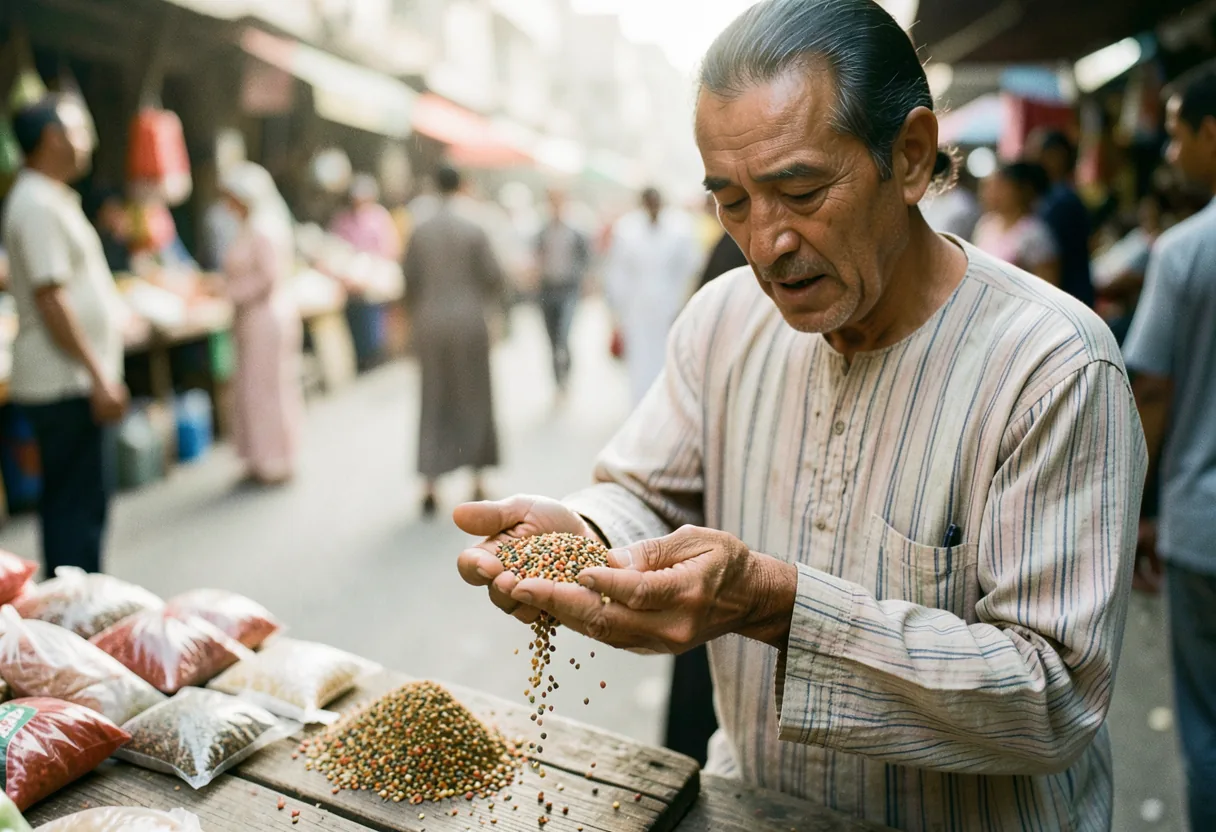
$100 is a lot in Egypt, equivalent to about 3,100 Egyptian pounds. This sum can cover a week’s groceries for a family, or even a modest hotel stay for three nights in Cairo.
Is $100 a lot in Egypt? $100 in Egypt is a significant amount of money for many locals, though its value depends heavily on the context of travel and spending habits.
Imagine $100 as a modest yet comfortable daily budget for a traveler in Egypt – it’s like having a decent meal at a mid-range restaurant, a short taxi ride, and a few souvenirs, or even covering a night in a budget hotel.
Key facts
- $100 converts to approximately 3,200 Egyptian pounds (EGP), as of mid-2024 exchange rates.
- A meal at a local restaurant costs around 100-200 EGP, while a fancier dining experience can exceed 500 EGP.
- A night in a mid-range hotel typically ranges from 800-1,500 EGP, depending on the location and season.
- Transportation costs, such as a taxi ride across Cairo, usually hover around 100-300 EGP.
Is it safe to travel to Egypt currently?
Egypt is generally safe for travelers, but it’s important to stay informed about regional advisories. The U.S. State Department currently advises Exercise Increased Caution (Level 2) for Egypt, with specific areas like the Sinai Peninsula and the Western Desert marked as higher-risk zones.
Most tourist areas, including Cairo, Luxor, and Aswan, remain stable, but travelers should avoid political demonstrations and remote border regions. The first time I visited Egypt, I found the locals to be incredibly welcoming, and the police presence in major tourist spots provided a sense of security.
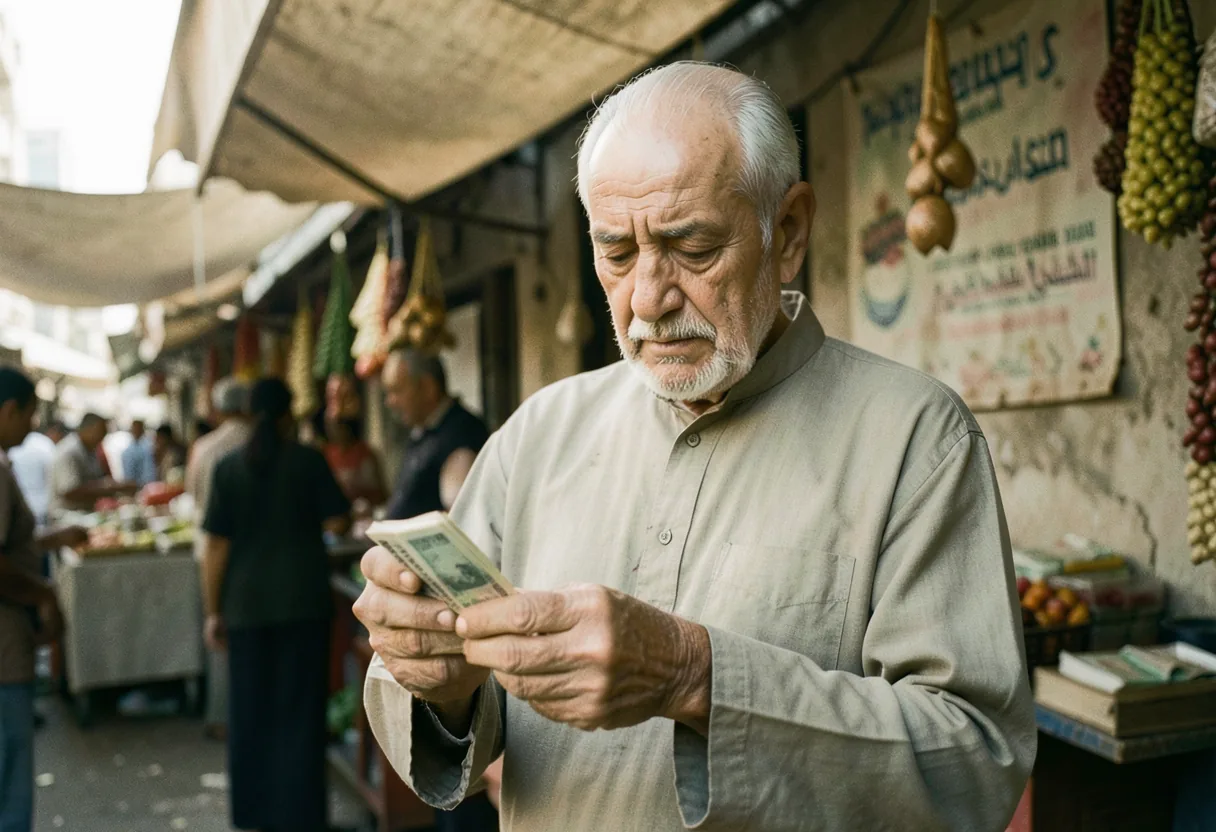
Can Americans visit Egypt safely?
Yes, Americans can visit Egypt safely, provided they follow standard travel precautions. Visa requirements are straightforward: U.S. citizens can obtain a 30-day tourist visa on arrival for $25 USD. It’s also recommended to register with the U.S. Smart Traveler Enrollment Program (STEP) for real-time updates and emergency assistance.
When in Egypt, Americans should avoid discussing sensitive political topics in public and be cautious when using ATMs or carrying large sums of cash. The U.S. Embassy in Cairo is a reliable resource for up-to-date safety information.
Is $100 a lot in Egypt?
For context, $100 in Egypt can cover a full day of comfortable travel expenses, including meals, transportation, and minor shopping. However, for locals, $100 is a significant amount, about half of the average monthly income in rural areas. In Cairo, a taxi ride across the city might cost around 200 EGP ($6.50), while a meal at a local eatery could be as low as 100 EGP ($3).
If you’re budgeting for a trip, $100 per day is a reasonable mid-range estimate. For more details, check out our guide on How Much Would a 7 Day Trip to Egypt Cost?“>how much a 7-day trip to Egypt costs.
What are the best Egypt travel packages?
Egypt offers a variety of travel packages catering to different budgets and interests. Popular options include Nile River cruises, which range from budget-friendly to luxury experiences, often costing between $300-$1,500 per person for 7 days. Companies like Memphis Tours and Expedia offer customized itineraries that include visits to the Pyramids of Giza, Luxor’s temples, and Abu Simbel.
For a more immersive experience, consider a cultural tour that includes stops at traditional markets like Khan el-Khalili in Cairo. These tours often combine history, adventure, and relaxation, making them ideal for first-time visitors.
How much would a 7-day trip to Egypt cost?
A 7-day trip to Egypt can range from $500 to $3,000, depending on your travel style. Budget travelers can expect to spend around $50-$70 per day, covering hostels, street food, and public transportation. Mid-range travelers might budget $100-$150 per day, staying in hotels, eating at restaurants, and taking guided tours.
For a luxury experience, expect to spend $300+ per day, including high-end hotels, private guides, and domestic flights. A Nile cruise, for example, can be a highlight of any trip, with options like the 5-star luxury cruise from How Much Would a 7 Day Trip to Egypt Cost?.
Sample 7-Day Trip Budget
What are the current Egypt travel restrictions?
As of mid-2024, Egypt has lifted most COVID-19-related travel restrictions, but visitors must still comply with general entry requirements. Tourists need a valid passport with at least six months remaining and a visa, which can be obtained on arrival or through an e-visa system.
Health regulations are minimal, but it’s advisable to check for any updates before traveling. The Egyptian government also requires all visitors to have travel insurance that covers medical expenses, though this is not always strictly enforced.
How do I plan an Egypt travel itinerary?
Planning an itinerary for Egypt depends on your interests and timeframe. A well-rounded trip should include visits to iconic sites like the Pyramids of Giza, the Egyptian Museum in Cairo, and the temples of Luxor and Karnak. For a more detailed breakdown, explore our Egypt travel itinerary.
If you have a week, consider splitting your time between Cairo for history and culture, Luxor for ancient temples, and Aswan for a relaxing Nile cruise. For adventure seekers, the White Desert or Red Sea resorts like Hurghada offer unique experiences.
What is the travel advisory for Egypt?
The U.S. State Department issues travel advisories for Egypt, currently at Level 2: Exercise Increased Caution. This means travelers should be aware of heightened risks in certain areas but can still visit with appropriate precautions. The advisory highlights concerns in the Sinai Peninsula and near the Libyan border due to terrorism and civil unrest.
The UK Foreign Office also advises against all travel to specific areas, including the Western Desert and the Gaza border region. For the latest updates, always check official government travel advisories before planning your trip.
Risks in Specific Areas
What should I know before traveling to Egypt?
Before traveling to Egypt, ensure you have a valid passport and visa. Familiarize yourself with local customs, such as dressing modestly in religious sites, and be prepared for bargaining in markets. Carrying small bills in Egyptian pounds is helpful for tipping and small purchases.
Stay hydrated, especially in the summer, and be cautious with street food if you have a sensitive stomach. For more travel essentials, including Travel Plug Adapter for Egypt“>plug adapters and Required Vaccinations for Egypt“>vaccination requirements, review our comprehensive guides.
Is it safe to travel to Egypt Cairo right now?
Cairo is generally safe for travelers, though petty crime like pickpocketing can occur in crowded areas. Stick to well-lit, busy streets at night, and avoid political demonstrations. The city’s tourist areas are well-patrolled, and most visitors experience no major issues.
If you decide to travel to Cairo, consider hiring a licensed guide for historical sites like the Egyptian Museum and the Citadel of Saladin. Public transportation, such as the metro, is affordable and efficient, but taxis and ride-sharing apps like Uber are safer for late-night travel.
Safety Tips for Cairo
- Avoid walking alone at night in less-touristed areas.
- Keep valuables secure in crowded places like Khan el-Khalili.
- Use reputable tour operators for day trips outside the city.
- Stay informed about local news and follow the advice of your hotel staff.
What are the best places to visit in Egypt?
Egypt’s top attractions include the Pyramids of Giza, the Valley of the Kings in Luxor, and the ancient temples of Abu Simbel. For a mix of history and relaxation, the Red Sea resorts offer snorkeling and diving opportunities. The White Desert is another must-see for its surreal landscapes.
If you’re short on time, focus on Cairo and Luxor. A day trip from Cairo to Alexandria is also worth considering for its Mediterranean coastline and historical sites like the Bibliotheca Alexandrina.
Top Attractions in Egypt
What is the advisory summary for Egypt?
The advisory summary for Egypt emphasizes that while the country is a popular tourist destination, travelers should be aware of regional risks. The U.S. State Department advises increased caution due to terrorism and civil unrest in specific areas. The UK Foreign Office echoes these concerns, particularly for the Sinai Peninsula and border regions.
For most tourists visiting major cities like Cairo, Luxor, and Aswan, the risks are relatively low. However, staying informed about local conditions and avoiding high-risk areas is essential for a safe trip.
Staying Safe in Egypt
- Register with your embassy’s travel alert program before departure.
- Avoid discussing politics in public.
- Use reputable tour companies for excursions.
- Keep emergency contact numbers handy, including your embassy’s details.
What should I pack for Egypt?
Packing for Egypt requires a mix of practicality and cultural sensitivity. Lightweight, breathable clothing is essential due to the hot climate, especially during summer. Include modest attire for visiting religious sites, such as long skirts or pants and shoulder-covering tops.
Comfortable walking shoes are a must for exploring ancient ruins, and a sun hat or scarf can protect you from the sun. Don’t forget sunscreen, sunglasses, and insect repellent. A reusable water bottle and a portable charger will also come in handy.
Essential Packing List
Is $100 a lot in Egypt? It can be, depending on what you plan to do. For locals, it’s a significant sum, but for travelers, it’s a comfortable daily budget. Understanding Egypt’s costs and planning accordingly will ensure a memorable and hassle-free trip.
Frequently asked questions
How far does $100 go in Cairo for daily expenses?
In Cairo, $100 converts to about 3,100 Egyptian pounds. This covers a mid-range hotel night (~800 EGP), multiple meals at local eateries (~50-150 EGP each), and transportation via Uber (~50-100 EGP per ride). Budget travelers stretch it further; luxury spending falls short.
What’s the average monthly salary in Egypt compared to $100?
Egypt’s average monthly wage is around 5,000 EGP (~$315), but many earn less. $100 thus represents roughly a third of an average salary or nearly an entire month’s income for lower-wage workers in rural areas.
Can $100 cover tourist activities like the Pyramids of Giza?
Yes. Entry to the Giza plateau costs 200 EGP (~$6.40). A guided tour adds ~500 EGP (~$16). With transport and meals, $100 comfortably covers a day trip, leaving room for souvenirs or additional sites like the Egyptian Museum (200 EGP).
How does $100 compare to Egypt’s inflation rate?
Egypt’s inflation hit 33% in 2023. While $100 buys more than in many countries, its purchasing power erodes faster here. Prices for imports like electronics or fuel rise sharply, but locally produced goods remain affordable.