
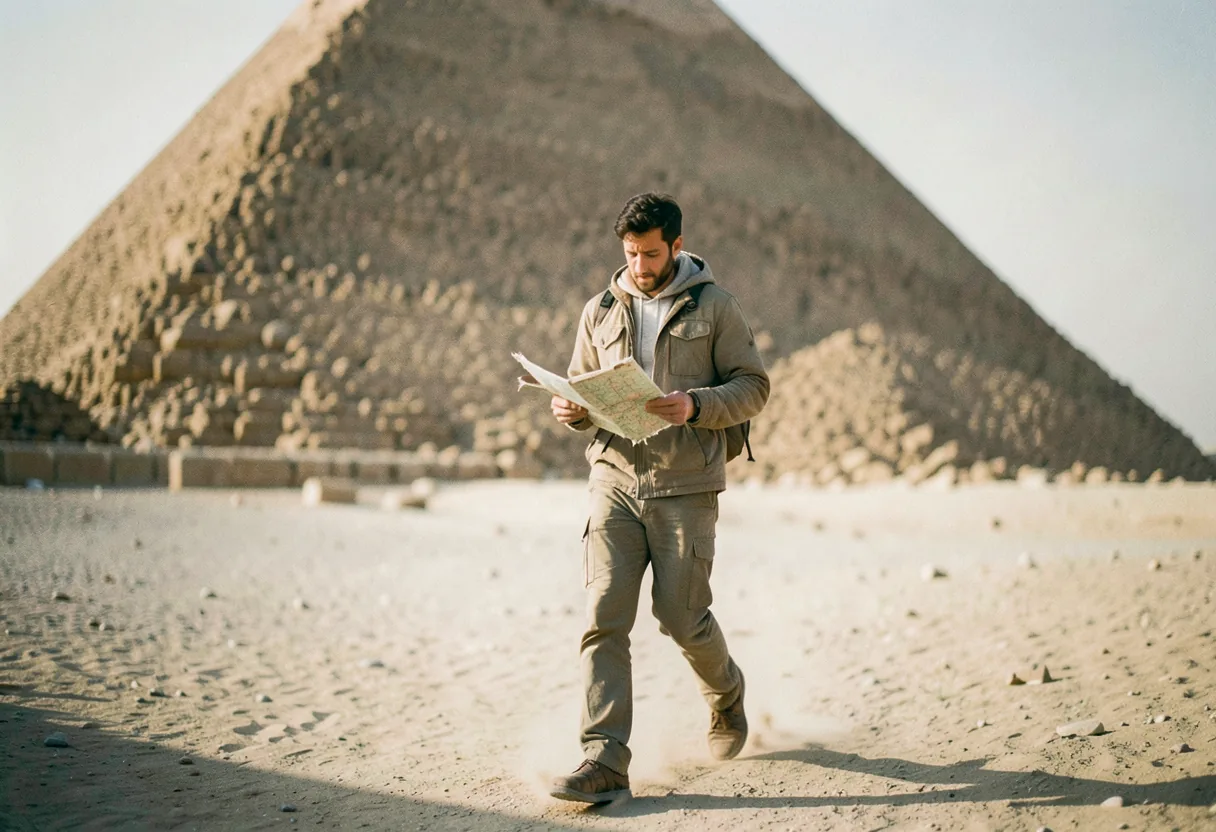
Egypt’s must-see attractions include the Pyramids of Giza, the last surviving ancient wonder, and the Sphinx. Explore Luxor’s Karnak Temple, home to 134 massive columns, and the Valley of the Kings, burial site of Tutankhamun. Cruise the Nile, visit the Egyptian Museum in Cairo, and discover Alexandria’s Bibliotheca Alexandrina, a modern tribute to the ancient Library of Alexandria.
Think of an Egypt travel guide as your personalized papyrus scroll, unrolled to reveal not just the pyramids, but the best felucca ride on the Nile, where to find the last genuine Tutankhamun artifact, and the exact spot in Cairo where you’ll sip tea with a street vendor who still remembers Anwar Sadat.
Key facts
- Egypt spans three continents: Africa, Asia (Sinai Peninsula), and Europe (via Mediterranean islands historically linked to Egypt).
- The Nile River, flowing 6,650 km, is the longest river in the world and the lifeline of Egypt’s agriculture and tourism.
- Egypt has 7 UNESCO World Heritage Sites, including the Pyramids of Giza and Luxor’s Karnak Temple.
- The first time I really looked at the Rosetta Stone at the British Museum, I noticed the tiny chisel marks, a reminder that even ancient tech needed updates.
Is it safe to travel to Egypt currently?
Safety in Egypt is context-dependent. The U.S. State Department advises “Exercise increased caution” (Level 2) for most areas, but specific regions like the Western Desert near Libya are marked “Do not travel” (Level 4). Terrorism risks exist near borders, but cities like Cairo and Luxor remain stable for tourists. The U.S. Embassy in Cairo emphasizes vigilance in crowded areas and recommends registering with the Smart Traveler Enrollment Program.
Violent crime is rare against tourists, but petty theft occurs in Cairo’s Khan el-Khalili bazaar. I once saw a vendor’s quick hand snatch a wallet, distraction theft is common. Stick to licensed guides and avoid unmarked taxis at night.
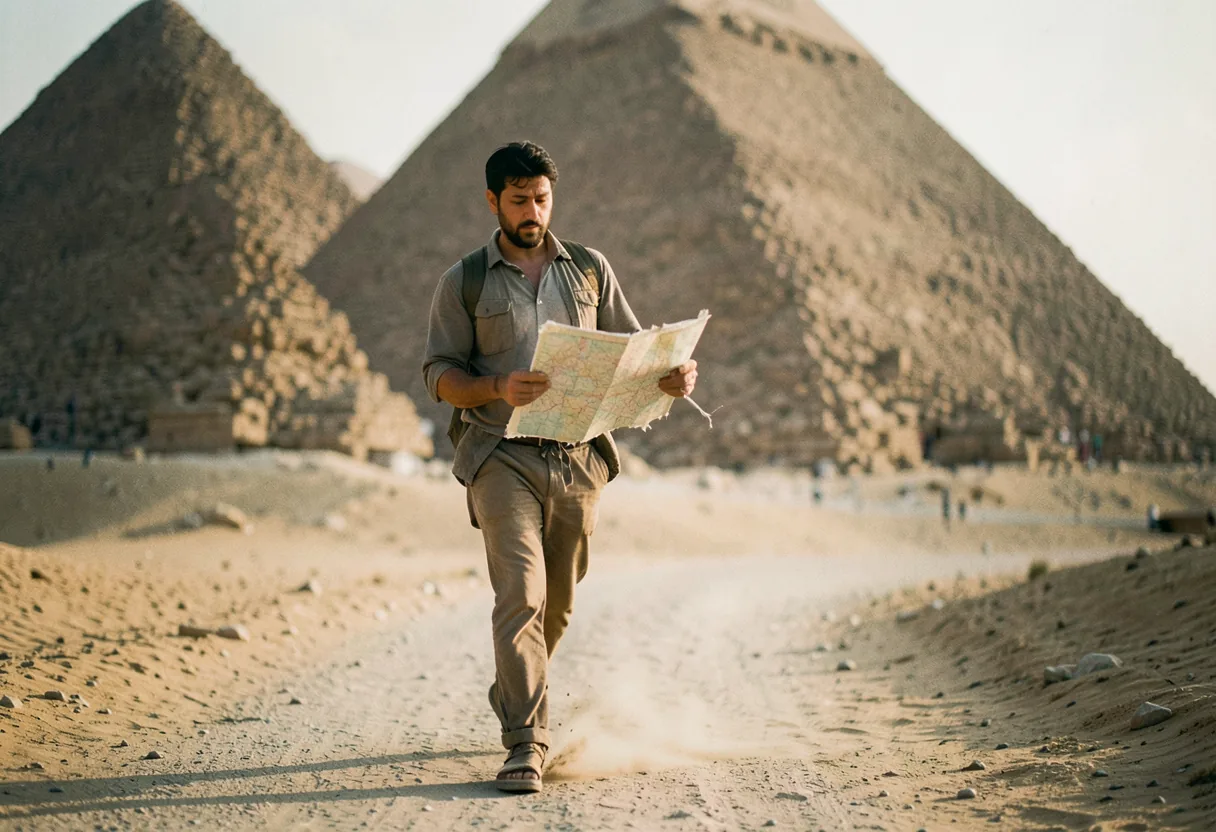
Can Americans visit Egypt safely?
Yes, Americans can visit Egypt safely if they follow local advisories. The U.S. Embassy’s travel advisory highlights risks in border regions but confirms that tourist areas are generally secure. Egyptians are famously hospitable; a local guide once shared that his family hid Allied soldiers in their Luxor home during World War II. Visa requirements are straightforward: a $25 entry visa on arrival or an e-Visa via the official .
Health-wise, tap water isn’t safe to drink, but bottled water is ubiquitous. Pharmacies in Cairo sell inexpensive medications, but bring prescriptions labeled in English. The CDC recommends hepatitis A and typhoid vaccines for travelers.
How much would a 7-day trip to Egypt cost?
Budget travelers can cover a 7-day trip for $500-$700, while luxury tours exceed $3,000. Mid-range packages from like TravelTalk include flights, 4-star hotels, and guided tours for $1,500-$2,000 per person. A budget traveler might stay in hostels, eat street food (ful medames costs 15 EGP/$0.50), and use public buses, but a luxury traveler might book a Nile cruise like the , where suites start at $1,200 per night.
Here’s a breakdown of costs for a mid-range traveler:
Is $100 a lot in Egypt?
$100 is significant in Egypt. It’s roughly 3,100 EGP, enough for a week’s groceries for a local family or a private guided tour of the Pyramids. A basic meal at a mid-range restaurant costs 150-250 EGP ($8-$15), while a felucca ride on the Nile runs 200-400 EGP ($12-$24) for two hours. Street vendors sell fresh juice for 20 EGP ($1.20). For context, the average monthly wage in Egypt is about 3,500 EGP ($215).
Egypt travel itinerary
A classic 7-day itinerary covers Cairo, Luxor, and Aswan. Day 1: Arrive in Cairo, visit the Pyramids and the Egyptian Museum. Day 2: Fly to Luxor, tour Karnak Temple and Valley of the Kings. Day 3: Hot air balloon ride over Luxor, then travel to Aswan. Day 4: Visit the Aswan High Dam and Philae Temple. Day 5: Optional Abu Simbel day trip (280 km south). Day 6: Return to Cairo, explore Islamic Cairo. Day 7: Souvenir shopping at Khan el-Khalili before departure.
Here’s a sample itinerary with costs:
Egypt travel packages
Travel packages in Egypt range from budget group tours to luxury private experiences. offers a 7-day “Best of Egypt” tour for $1,200, including flights, hotels, and guided tours. provides small-group adventures with local guides, like their 10-day “Egypt Uncovered” trip for $2,500, which includes a Nile felucca sail and Abu Simbel visit. For luxury, offers all-inclusive Nile cruises with butler service, starting at $3,000 per person.
Egypt travel restrictions
Egypt imposes minimal travel restrictions for tourists. Visas are required for most nationalities but are easily obtained on arrival or via e-Visa. The warns against travel near the Libyan and Sudanese borders due to terrorism risks. Domestic flights and trains require ID, and some religious sites restrict entry during prayer times. Women travelers report minimal harassment if dressed modestly (covering shoulders and knees).
Travel advisory – Arab Republic of Egypt
The U.S. State Department’s for Egypt is Level 2: “Exercise increased caution.” Specific risks include terrorism near border regions and civil unrest in major cities. The advisory notes that crime against tourists is rare but advises avoiding unmarked taxis and keeping valuables secure. The helps U.S. citizens receive safety updates.
Level 2 – Exercise increased caution
Level 2 is the U.S. government’s second-lowest travel advisory tier, indicating heightened risks but not severe enough to discourage travel. In Egypt, this applies to most urban areas, including Cairo, Luxor, and Alexandria. The advisory suggests avoiding nighttime travel in rural areas and staying alert in crowded places. The also warns against unauthorized desert tours, as some operators lack safety protocols.
Exercise increased caution
Exercise increased caution means being proactive about safety. In Egypt, this includes checking the , avoiding protests, and using reputable tour operators. I once met a traveler who skipped this advice and ended up in a scam tour, he paid double for a “private” Pyramids tour that turned out to be a shared bus. Stick to licensed guides and verify prices upfront.
Level 4 – Do not travel
Level 4 is the highest U.S. travel advisory tier, reserved for extreme risks like war or terrorism. In Egypt, this applies to the Western Desert near Libya and the Sinai Peninsula. The cites kidnappings and armed conflict in these areas. The Egyptian military controls access to some regions, and tourists who venture into no-go zones risk arrest or danger.
If you decide to travel to Egypt:
If you decide to travel to Egypt, follow these steps for a safe trip:
- Register with the .
- Check the
- Book tours through licensed operators like .
- Carry copies of your passport and visa at all times.
- Use ATMs in banks or hotels to avoid skimming scams.
- Dress modestly to respect local customs and avoid unwanted attention.
- Avoid political discussions in public.
About Egypt
Egypt is a transcontinental country spanning the northeastern corner of Africa and the Sinai Peninsula in Asia. It’s home to over 100 million people, with Cairo as its bustling capital. The country’s rich history dates back to 3100 BCE with the unification of Upper and Lower Egypt under King Menes. Ancient Egyptians pioneered writing (hieroglyphs), medicine, and monumental architecture. Modern Egypt blends this heritage with a vibrant culture, from the calligraphy of Islamic mosques to the avant-garde art scene in downtown Cairo.
Egypt’s economy relies on tourism, agriculture, and the Suez Canal, one of the world’s busiest waterways. The Nile River remains central to life, with 95% of Egyptians living within 20 km of its banks. The country’s diverse landscapes include the Sahara Desert, the Red Sea coast, and the lush Delta region. Egypt’s official language is Arabic, but English is widely spoken in tourist areas.
The best time to visit Egypt is from October to April, when temperatures are mild. Summer (May-September) can exceed 40°C (104°F), making outdoor activities challenging. Winter brings cooler weather, especially in the desert, with temperatures dropping to 5°C (41°F) at night.
Egyptian cuisine reflects its history, with staples like ful medames (fava beans), koshari (lentils and rice), and grilled meats. Tea is the national drink, often served with mint or sage. Traditional hospitality means you’ll frequently be offered food or drinks, accepting is polite, even if just a sip.
Here’s a quick guide to Egypt’s regions:
Egypt’s currency is the Egyptian pound (EGP), with an exchange rate of about 30 EGP per $1 USD. Credit cards are accepted in hotels and major restaurants, but carry cash for markets and small vendors. Tipping (baksheesh) is expected for services, from waiters to tour guides. A 5-10% tip is standard in restaurants, while guides appreciate $5-$10 per day.
Healthcare in Egypt is adequate in cities but may lack resources in rural areas. Major hospitals in Cairo, like the , offer international standards. Travel insurance is recommended, covering medical evacuation if needed. Prescription medications should be carried with original labels.
Egypt’s infrastructure includes modern highways, domestic flights, and an extensive rail network. The Cairo Metro is efficient and affordable for city travel. For long distances, trains like the sleeper service to Luxor provide comfort and scenic views. Taxis are plentiful but negotiate fares upfront or use ride-hailing apps like Uber.
Egypt’s cultural etiquette emphasizes respect and modesty. Dress conservatively, especially in religious sites, and remove shoes when entering homes or mosques. Public displays of affection are frowned upon. Photographing people without permission is rude, always ask first. During Ramadan, eating, drinking, and smoking in public during daylight hours is prohibited for non-Muslims as well.
For deeper exploration, consider a Nile cruise. Ships like the offer luxury accommodations with stops at key sites. Alternative experiences include hot air balloon rides over Luxor or diving in the Red Sea. The lists unique tours, such as a felucca sail at sunset or a desert safari near Siwa Oasis.
Egypt’s history is a living tapestry. The , built around 2560 BCE, remains one of the Seven Wonders of the Ancient World. The in Luxor is a sprawling religious site with pillars dedicated to gods like Amun and Osiris. Modern landmarks include the , a stunning library honoring Alexandria’s ancient past.
Egyptian art spans millennia, from tomb paintings in the Valley of the Queens to contemporary works at the in Doha (which houses a significant collection of Egyptian artists). Literature includes Nobel laureate Naguib Mahfouz’s Cairo Trilogy, set in the bustling streets of Islamic Cairo. Music and dance reflect Egypt’s diverse influences, from traditional tahtib (stick dancing) to modern mahraganat (street festival music).
Here are some must-see museums:
Egypt’s festivals blend ancient traditions with modern celebrations. The {{LINK:https://en.wikipedia.org/wiki/Abu_Simbel
Frequently asked questions
What’s the best time to visit Egypt?
October to April offers ideal weather for sightseeing. Temperatures are milder, especially in March, when daytime highs average 25°C (77°F). Avoid July and August; daytime temperatures often exceed 35°C (95°F), making outdoor exploration exhausting.
Do I need a visa to enter Egypt?
Most travelers require a visa, available on arrival for $25 USD or e-Visa online for $30 USD. The visa is valid for 30 days. Exceptions exist for citizens of Gulf Cooperation Council countries, who enter visa-free.
What should I pack for a trip to Egypt?
Pack lightweight, breathable clothing, a hat, and sunscreen. Modest attire is respectful in religious sites. Comfortable walking shoes are essential for exploring temples like Karnak. Consider a reusable water bottle to stay hydrated, as tap water isn’t safe to drink.
Is it safe to drink the tap water in Egypt?
No, tap water in Egypt is not safe to drink. Stick to bottled or filtered water. Avoid ice in drinks unless you’re sure it’s made from purified water. Many hotels and restaurants provide filtered water for guests.