

Vietnam requires cash payment for visa stamping on arrival. Ensure you have USD 25 for single-entry or $50 for multiple-entry visas, with exact change preferred. Departing Vietnam, no currency exchange is mandatory, but check if your destination requires entry fees.
Currency on entry and exit in Egypt refers to the regulations governing the amount of money travelers can bring into or take out of the country.
Think of it like packing for a trip where you have a strict luggage allowance, except here, the weight limit is on your cash, not your suitcase.
Key facts
- Egypt requires travelers to declare amounts over 10,000 USD (or equivalent) on entry or exit.
- Non-Egyptian visitors can bring in any amount of foreign currency, but must exchange it through official channels.
- Residents can take out up to 5,000 USD (or equivalent) without special authorization.
- Violations can result in fines, seizure of funds, or even legal consequences.
Currency declaration requirements for Egypt
When entering or exiting Egypt, travelers must declare any amount exceeding 10,000 USD (or its equivalent in other currencies) using the official Central Bank of Egypt declaration form. This rule applies to both cash and other financial instruments like travelers’ cheques. The first time I handled this, I was surprised how straightforward the process was, just fill out the form at customs, and you’re good to go. Failure to declare can lead to confiscation of the excess amount, so it’s crucial to comply.
For those traveling with large sums, it’s wise to carry the declaration form pre-filled and ready to submit. This form is available at Egyptian embassies, consulates, or directly at the airport. If you’re unsure, check with your local Egyptian consulate before departure. Remember, even if you’re just transiting through Egypt, the same rules apply, no exceptions.
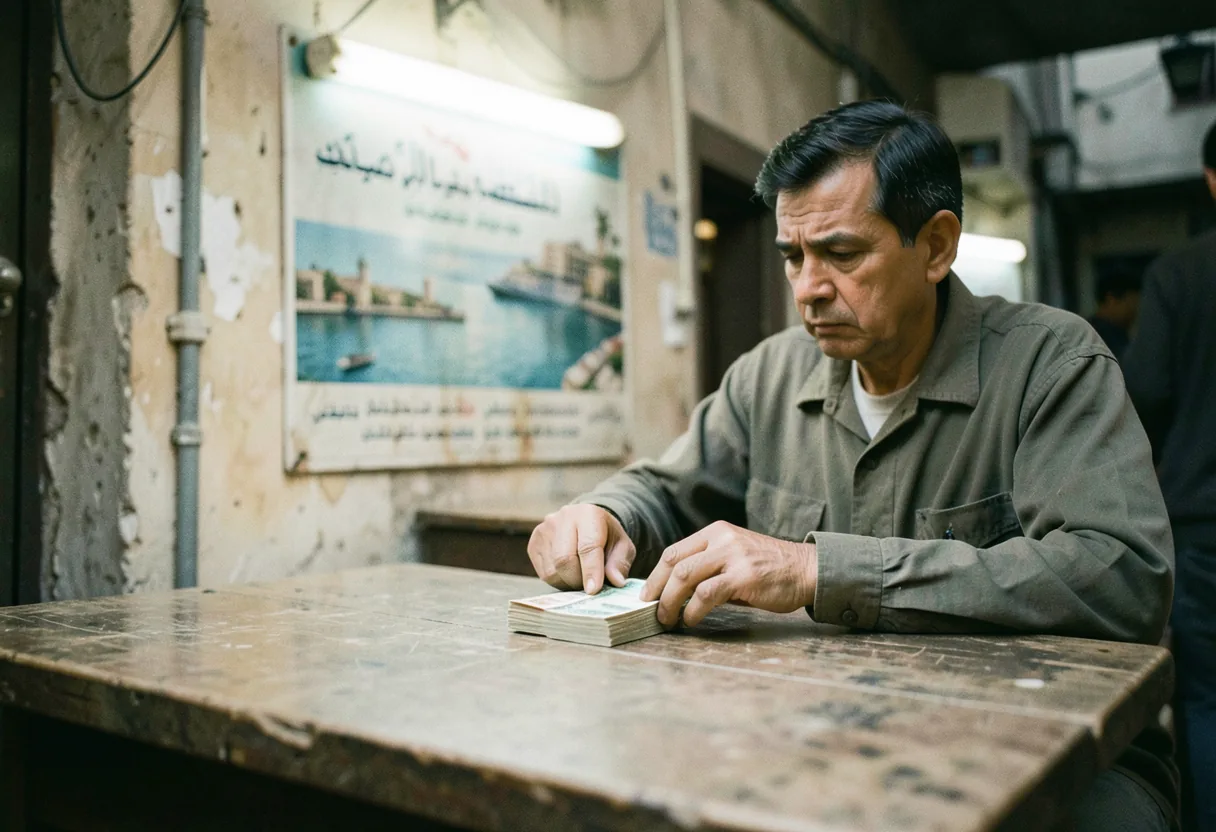
Egypt travel packages and currency considerations
Many travelers opt for all-inclusive Egypt travel packages, which simplify budgeting and reduce the need to carry large amounts of cash. Companies like Travel Visa Egypt Guide offer such packages, often including accommodations, guided tours, and meals. These packages typically operate on a prepaid basis, minimizing the currency you need to bring in or take out. For example, a 7-day Nile cruise package might cost around 1,500 USD per person, covering most expenses except for personal shopping or tipping.
However, if you plan to explore beyond the package, you’ll need additional cash. Egypt’s bustling bazaars, like the Khan el-Khalili in Cairo, are cash-heavy environments. While some vendors accept credit cards, many prefer local currency. Always carry a mix of Egyptian pounds (EGP) and a small amount of USD or EUR as a backup. You can exchange currency at airports, banks, or authorized exchange offices, but avoid street vendors to prevent scams.
Egypt travel restrictions and currency
Egypt’s travel restrictions can impact how much currency you bring. As of 2023, the U.S. Department of State advises exercise increased caution when traveling to Egypt due to terrorism and civil unrest. While these advisories don’t directly affect currency rules, they do influence travel planning. For instance, if you’re visiting high-risk areas like the Sinai Peninsula, you might need extra funds for security arrangements or unexpected changes in itinerary.
Egyptian authorities may also impose additional checks on travelers from certain countries. For example, visitors from Syria, Iraq, or Afghanistan might face stricter scrutiny. In such cases, having your currency declaration and other travel documents in order can speed up the process. Always check the latest travel advisories before your trip to avoid surprises.
Is it safe to travel to Egypt currently?
The safety of traveling to Egypt depends on your destination within the country. Tourist hotspots like Luxor, Aswan, and the Red Sea resorts (e.g., Sharm El-Sheikh) are generally safe, with a strong police presence. However, areas near the Libyan and Sudanese borders are riskier. The Egyptian government has implemented measures to protect tourists, such as increased security at major attractions like the Travel Visa Egypt Guide pyramids of Giza.
For the latest safety information, consult your country’s travel advisory. For example, the UK Foreign Office and the U.S. State Department provide regular updates. If you’re concerned, consider traveling with a reputable tour operator. They often have emergency protocols and local contacts to ensure your safety.
Can Americans visit Egypt safely?
Americans can visit Egypt safely, provided they take standard precautions. The U.S. Embassy in Cairo provides resources and assistance to American travelers, including emergency contact information. As of 2023, the U.S. State Department has Egypt at a Level 2: Exercise Increased Caution, which is the same as many other popular tourist destinations.
To ensure a smooth trip, Americans should register with the Travel Visa Egypt Guide Smart Traveler Enrollment Program (STEP). This free service provides safety alerts and makes it easier for the embassy to assist you in an emergency. Additionally, carry a copy of your passport and visa at all times, as police checks are common, especially in Cairo.
How much would a 7-day trip to Egypt cost?
A 7-day trip to Egypt can cost anywhere from 800 to 2,500 USD per person, depending on your travel style. Budget travelers can get by on around 800 USD, covering basic accommodations, meals at local eateries, and public transport. Mid-range travelers might spend 1,500 USD, staying in 3-star hotels and taking guided tours. Luxury travelers can expect to pay 2,500 USD or more for high-end hotels, private guides, and fine dining.
Here’s a rough breakdown for a mid-range 7-day trip:
Is $100 a lot in Egypt?
In Egypt, 100 USD is a significant amount of money. As of 2023, 100 USD is roughly equivalent to 3,000 EGP. This can cover several nights in a budget hotel, multiple meals at mid-range restaurants, or even a guided tour of a major attraction like the Valley of the Kings in Luxor. For context, a meal at a local restaurant might cost around 50-100 EGP, while a night in a budget hotel could be 300-600 EGP.
However, 100 USD might not go as far in tourist-heavy areas like Cairo or Luxor, where prices are inflated. Always budget for unexpected expenses, such as tipping or last-minute transportation. If you’re traveling on a tight budget, consider exchanging small amounts of USD to EGP as needed to avoid overspending.
Egypt travel guide and itinerary tips
Egypt offers a wealth of historical and cultural experiences, from ancient pyramids to vibrant markets. To make the most of your trip, plan an itinerary that balances must-see attractions with time to explore on your own. A well-rounded Egypt travel guide, like the ones provided by Travel Visa Egypt Guide, can help you prioritize your activities. For example, a classic 7-day itinerary might include:
- Day 1-3: Cairo – Visit the Great Pyramids of Giza, the Egyptian Museum, and the Citadel of Saladin.
- Day 4-5: Luxor – Explore the Valley of the Kings, Karnak Temple, and Luxor Temple.
- Day 6-7: Aswan – Take a felucca ride on the Nile, visit the Temple of Philae, and tour the Aswan Dam.
If you have more time, consider extending your trip to include destinations like Alexandria or the Red Sea resorts. Just remember to factor in travel time between cities, as domestic flights or overnight trains can add to your itinerary.
Travel advisory and risks in specific areas
The Egyptian government and international agencies issue travel advisories to help travelers stay safe. As of 2023, the U.S. State Department advises exercise increased caution when traveling to Egypt. This means being aware of your surroundings and taking precautions, especially in crowded areas or near political demonstrations.
Certain areas in Egypt have higher risks. For example, the Sinai Peninsula is considered a high-risk zone due to terrorism. The Egyptian government has deployed additional security forces to the region, but travel is still not recommended unless absolutely necessary. Similarly, areas near the Libyan and Sudanese borders should be avoided due to civil unrest and potential border disputes.
If you decide to travel to Egypt: essential tips
If you decide to travel to Egypt, preparation is key. Start by checking the latest travel advisories and ensuring your passport and visa are in order. Carry copies of important documents, and consider purchasing travel insurance for added protection. Familiarize yourself with local customs and laws to avoid unintentional offenses. For example, dressing modestly is appreciated in religious sites, and public displays of affection are frowned upon.
Additionally, stay connected by getting a local SIM card or using an international roaming plan. This will help you access maps, translate signs, and stay in touch with family and friends. Finally, always keep emergency contact information handy, including the phone number of your country’s embassy or consulate in Egypt.
Essential travel documents for Egypt
Before you travel to Egypt, ensure you have all the necessary documents. A valid passport is mandatory, and depending on your nationality, you might need a visa. U.S. citizens, for example, can obtain a visa on arrival for 25 USD, valid for stays up to 30 days. Always check the latest visa requirements with the Egyptian consulate in your country.
Other essential documents include travel insurance, proof of accommodation, and a return ticket. If you plan to drive, an International Driving Permit (IDP) is required. Keep copies of all your documents, both digital and physical, in case of loss or theft. The first time I visited Egypt, I made the mistake of not carrying a physical copy of my travel insurance, which caused unnecessary stress when I needed to access medical services.
For those traveling with large sums of money, ensure you have the required currency declaration forms filled out. This will save you time and potential hassle at customs. Additionally, if you’re traveling with children, carry a notarized letter of consent from both parents if only one is accompanying the child.
When traveling to Egypt, always declare large sums of currency to avoid penalties. Plan your budget carefully, considering both essential expenses and discretionary spending. Stay informed about travel advisories and choose your destinations wisely to ensure a safe and enjoyable trip.
Frequently asked questions
What’s the official currency in Egypt, and where can I exchange money?
Egypt’s currency is the Egyptian pound (EGP). Major airports like Cairo International Airport have exchange counters, but rates are often worse than in cities. Use ATMs in Egypt for better rates, but check for fees. Banks in downtown Cairo or Luxor offer competitive rates, especially those with signs in English.
Can I bring foreign currency into Egypt without restrictions?
Yes, but amounts over $10,000 USD must be declared. Failure to declare can lead to confiscation or fines. Keep receipts from exchanges for proof. Credit cards are widely accepted in hotels and shops, but always carry some cash for smaller vendors or remote areas.
What’s the best way to handle leftover Egyptian pounds when leaving?
Exchange leftover pounds back to foreign currency at airports or banks before departure, as street vendors may refuse. Rates at airports are slightly worse, but better than carrying unused cash. Some hotels offer exchange services, but compare rates first.
Are there any restrictions on taking Egyptian pounds out of the country?
Yes, you can’t take more than 5,000 EGP out of Egypt without prior approval. Keep receipts from exchanges to prove the money was legally obtained. For larger amounts, visit a bank with a request form and valid passport. Customs officers may inspect cash upon exit.